Transparent LED vs Standard Indoor LED Display: Singapore 2026 Buyer Guide
Written and reviewed by the ETA Visual Engineering & Project Team. Guidance is updated when project, product or Singapore site-planning practices change.
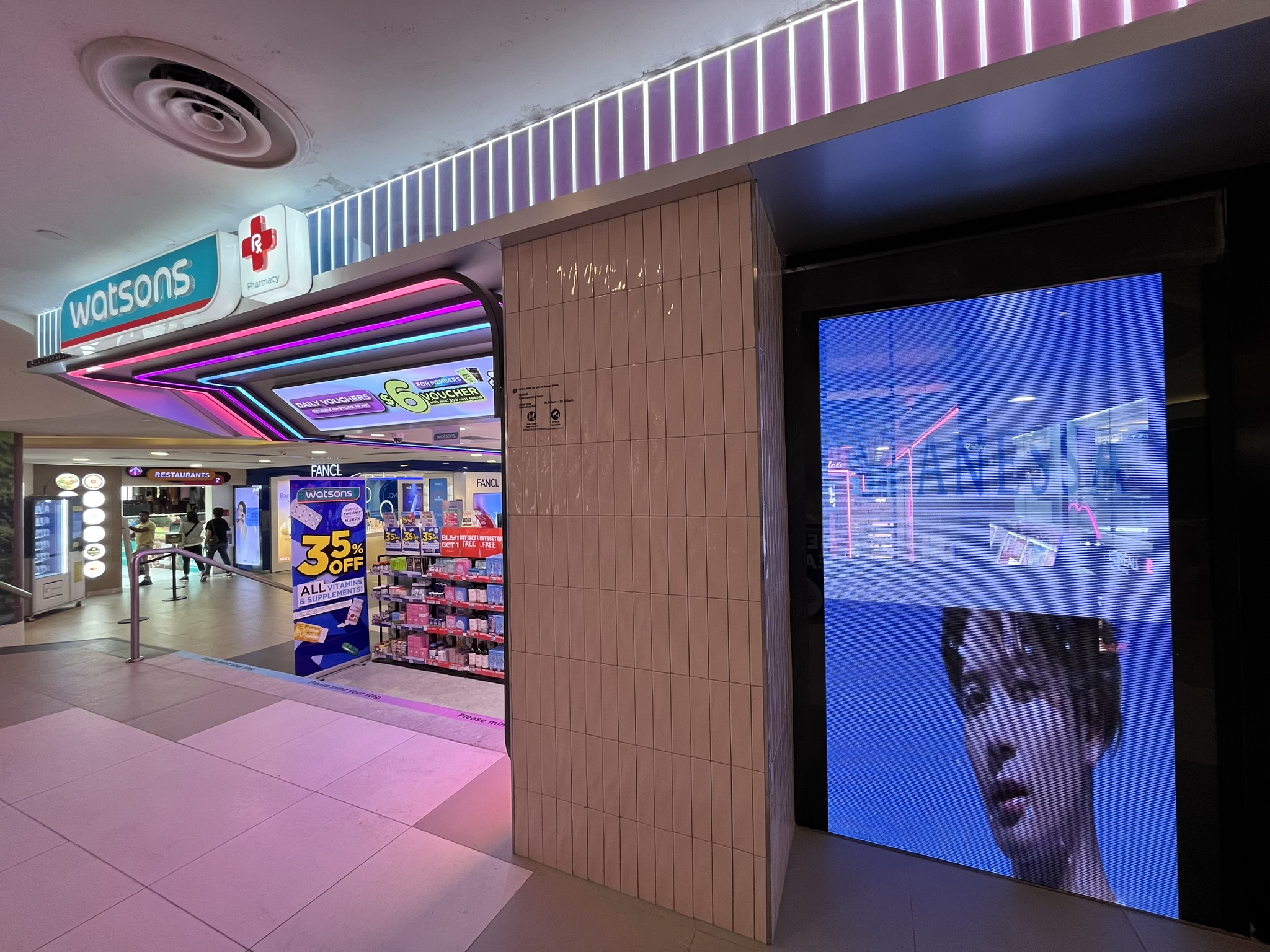
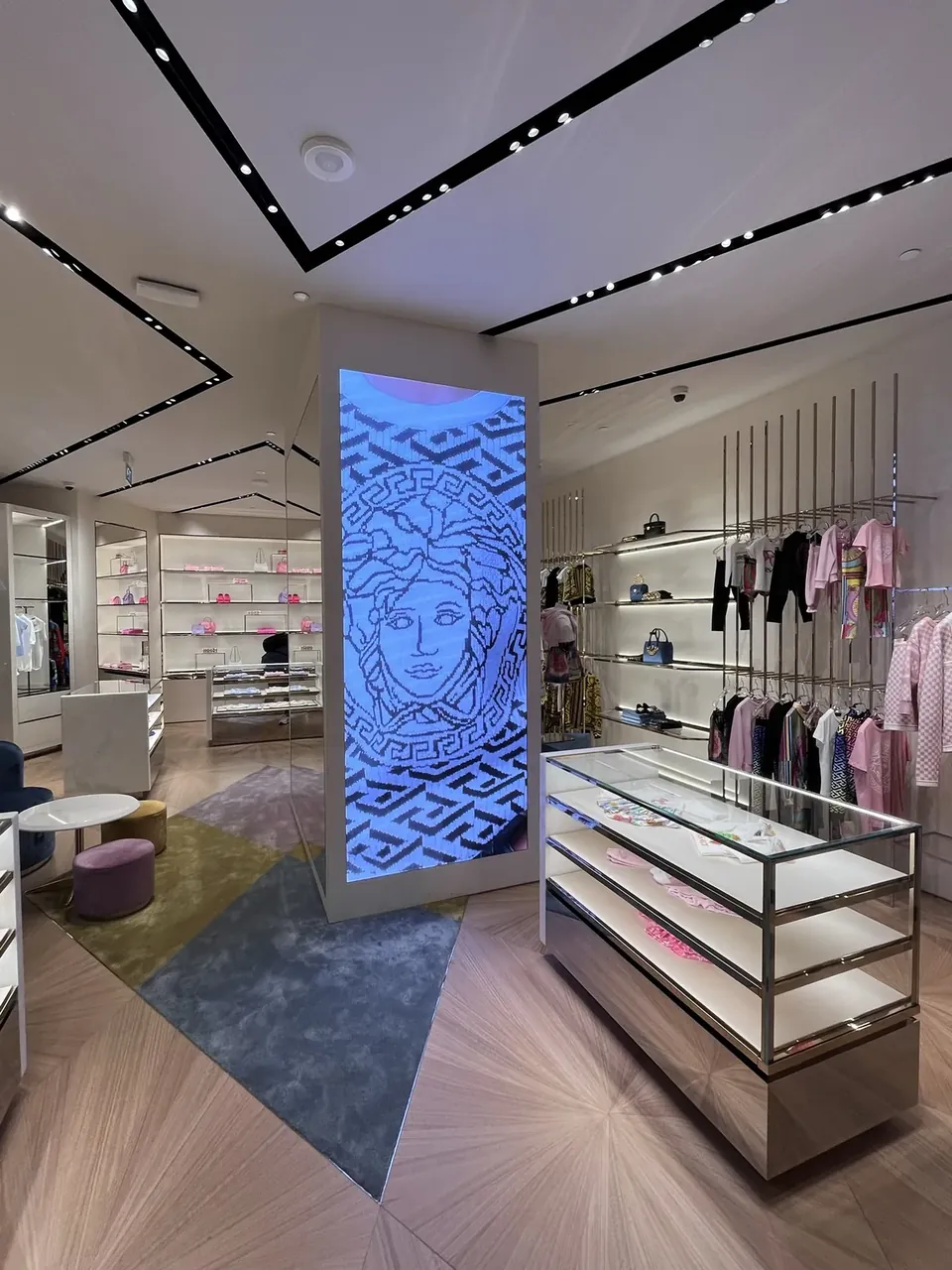
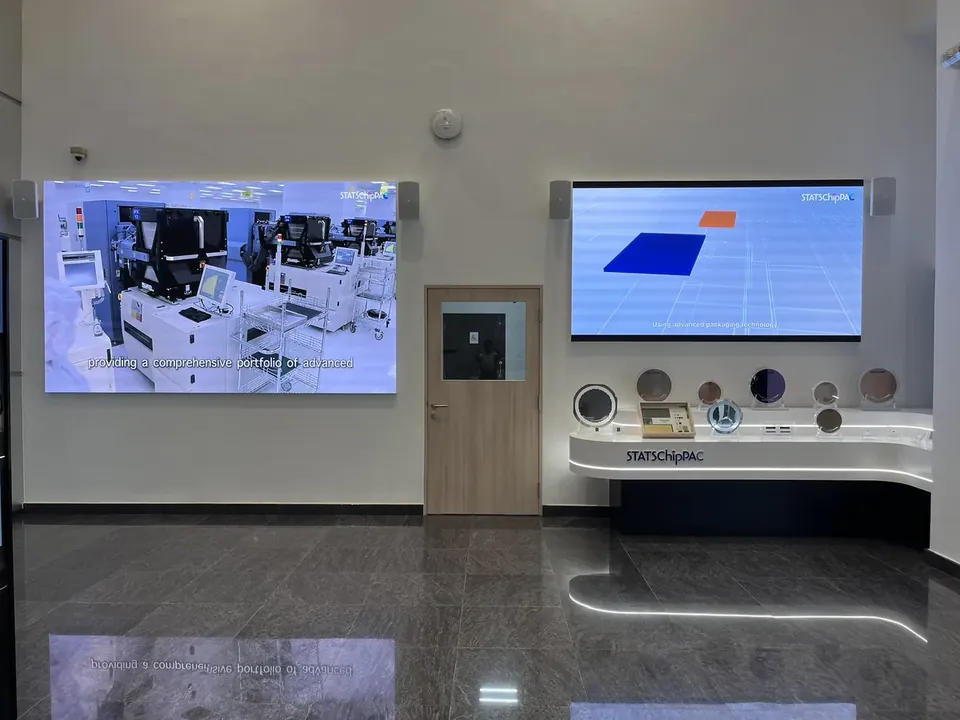
Walk through Marina Bay Sands, ION Orchard, or Bugis Junction today and you will notice that the most talked-about shopfronts no longer rely on static lightbox posters. Instead, Singapore retailers are choosing between two very different indoor LED technologies: a see-through transparent LED screen that animates the shop window while keeping the store interior visible, or a solid fine-pitch indoor LED video wall that delivers maximum contrast, rich blacks, and cinematic visuals. Both technologies now appear across Singapore's leading malls, and ETA Visual has installed both in live retail environments, including transparent LED shopfront displays for Watsons and standard fine-pitch indoor LED walls for VERSACE and Emporio Armani at Marina Bay Sands. Yet the decision between them is rarely obvious, because each display type is engineered around a different compromise between transparency, brightness, pixel pitch, structural weight, power, and price. This guide breaks down the real differences Singapore buyers must weigh, compares the two technologies side by side, and gives you a practical framework for choosing the display that best matches your sightlines, ambient light, content strategy, and budget.
How Transparent LED Works and What Makes It Different
A transparent LED display is built from narrow LED lightbars mounted on a transparent grid, with open gaps letting fifty to seventy percent of ambient light pass through. The view through the glazing stays clear while the screen plays vivid content. Outside, shoppers see motion graphics floating in the window; inside, staff and customers still see daylight and the mall atrium. Standard indoor LED video walls, by contrast, use solid printed-circuit boards that fully block whatever sits behind them.
In Singapore's retail landscape, that difference shapes landlord approvals. Mall operators closely watch shopfront sightlines and emergency-exit views, and a transparent LED screen often passes where a solid wall triggers objections. The transparency also keeps the store's interior design and daylight part of the visitor experience even while campaigns run. Transparency is not a gimmick; it is an architectural decision about how the display interacts with the space it shares.
Brightness, Contrast and Image Quality: The Performance Divide
The two technologies suit different light environments. Transparent LED displays are engineered for two to five thousand nits, sitting behind glazing where daylight and reflections compete with the image. Standard indoor LED walls operate at eight hundred to one thousand five hundred nits, plenty for controlled indoor lighting while running cooler with less power, though a standard wall in a sunlit facade will struggle without external shading.
Where standard indoor LED walls win is contrast and detail. Because their circuit boards are solid black, they achieve true black levels and HDR colour depth that transparent screens cannot match. Pixel pitch also separates them: standard indoor walls span P0.9 to P3.9 for boardroom-sharp detail, while transparent screens generally start at P3.9 and climb to P7.8 or P10.4. For shoppers walking past at two to ten metres, a P3.91 to P7.8 transparent display looks crisp; for a customer standing close to inspect small-font copy, a fine-pitch standard indoor wall is the sharper tool.
Content Suitability: Where Each Technology Shines
Your content library should guide this decision. Transparent LED displays are made for motion graphics, animated logos, seasonal campaign visuals, and stylized product reveals where negative space reads naturally as see-through gaps. What transparent LED handles poorly is small-font body text, data dashboards, and film-style photography, where background clutter interferes with legibility.
Standard indoor LED video walls render every format with equal confidence, from fine-detail product video and lifestyle photography to livestreamed brand events and promotional copy. Singapore retail projects show this split in practice: ETA Visual's transparent LED installations for Watsons at Bugis Junction and Takashimaya, and for Snoopy at Resorts World Sentosa, lean into graphic, high-contrast campaign visuals, while standard indoor LED installations for luxury houses such as VERSACE and Emporio Armani at Marina Bay Sands demand the fine-pitch colour accuracy and deep contrast that only solid panels deliver.
Structural, Installation and Space Requirements
Physical integration often decides the project before the tender is issued. Transparent LED screens are substantially lighter than solid walls, typically fifteen to twenty-five kilograms per square metre, and hang behind existing glazing with slender suspension systems. In many Singapore mall tenancies they install with no heavy structural reinforcement and minimal landlord approvals, preserving emergency-egress view lines.
Standard indoor LED walls are heavier and require a dedicated mounting structure, load-distribution plates, and engineered fixings. Where they win is architectural flexibility: standard panels can be recessed fully flush into feature walls, as seen in ETA Visual's ZARA and Armani Exchange retail projects at ION Orchard, or shaped into curved ribbons that follow interior architecture, as in the HOKA curved flexible LED installation at Raffles City. Front-service indoor modules can be serviced entirely from the face side, saving leasable floor area in Singapore's prime malls.
Power, Heat and Maintenance Considerations
Operational economics should be weighed alongside the purchase price. Transparent LED displays, running at two thousand nits and above, carry a higher peak power rating per square metre than a standard indoor wall at eight hundred nits. In practice they rarely run at peak brightness, and their open-grid construction allows natural airflow cooling. Standard indoor LED walls run at lower average brightness, but their solid construction concentrates heat behind the panels, requiring airflow planning in enclosed Singapore mall tenancies.
Maintenance profiles also differ. Transparent lightbar strips are modular and usually rear-serviced, straightforward against open glazing. Standard indoor walls benefit from magnet-mounted front-service modules that a technician can swap in minutes without touching adjacent panels. Transparent screens also need a disciplined cleaning schedule against mall foot-traffic dust. For both types, ETA Visual recommends keeping three to five percent spare modules and receiving cards on site so any faulty part can be restored the same day.
Pricing and Total Cost Comparison in Singapore
Per square metre of panel area, transparent LED often carries a premium because the specialized lightbar engineering is produced in lower volumes. But a transparent display frequently saves on mounting steel, structural sign-off, and facade demolition, and in many tenancies it can be hung behind existing windows in a single overnight shift. When those civil and structural savings are counted, the installed-cost gap between the two technologies narrows significantly.
Standard indoor LED walls are cost-competitive at pitches from P1.86 to P3.91, but their heavier structure adds to installation labour, and in some venues their load demands a formal structural assessment. Beyond day-one cost, buyers should model annual electricity under Singapore's commercial power tariffs, scheduled preventive maintenance visits, spare-parts provisioning, and expected service life. Neither technology is universally cheaper; the winning option depends on whether your site favours light-weight window integration or maximum contrast per dollar spent.
How to Decide for Your Space: A Four-Question Framework
Use four questions to reach a confident decision. First, must the window remain see-through for interior visibility, daylight, or landlord approval? If yes, transparent LED is the only answer. Second, what is the light environment? Direct daylight favours transparent LED's high brightness, while controlled mall lighting rewards the contrast of a standard indoor wall. Third, what content will you run? Motion graphics suit transparent screens, while fine-detail imagery and body text demand standard fine-pitch panels. Fourth, does your budget favour lighter structural works or maximum display contrast?
Singapore's retail landscape shows how brand positioning guides the choice: health-and-beauty retail such as Watsons uses transparent shopfront displays to invite shoppers in while keeping the store open and airy, while luxury fashion houses such as VERSACE and Emporio Armani choose fine-pitch standard walls to present garments in film-grade detail. ETA Visual designs, supplies, and installs both transparent and standard indoor LED systems across Singapore, and the best first step is a site survey that evaluates your glazing, sightlines, ambient light, and structure before any equipment is specified.
| Factor | Transparent LED | Standard Indoor LED |
|---|---|---|
| Transparency | 50–70% light transmission; store interior stays visible | 0% transmission; solid opaque canvas |
| Brightness | 2,000–5,000+ nits for daylight | 800–1,500 nits for indoor light |
| Pixel pitch | P3.9–P10.4; 2–10 m viewing | P0.9–P3.9; arm's-length to hall viewing |
| Contrast | Lower; ambient light bleeds through | Very high; true black levels |
| Weight | ~15–25 kg/m²; light hanging frames | ~25–45 kg/m²; dedicated structure |
| Content fit | Motion graphics, floating logos | Fine video, photography, text |
| Service | Rear-service lightbars | Front-service magnetic modules |
| Approvals | Sightlines preserved; easier permits | Standard fit-out approvals |
Want an accurate budget for your space?
We'll do a free site survey and prepare a clear, itemised quotation — no obligation.
Frequently asked questions
Yes. Transparent LED displays use narrow lightbars with deliberate gaps that let fifty to seventy percent of ambient light pass through. From inside the shop, staff and customers keep a clear view of the mall atrium or street and enjoy natural daylight, while outside viewers still see bright motion content on the glass.
Transparent LED displays are significantly brighter, typically two to five thousand nits, because they must overpower daylight and reflections in shop windows. Standard indoor LED walls run at eight hundred to one thousand five hundred nits, which suits controlled indoor spaces but not direct facade glazing.
Per square metre of display panel, transparent LED usually costs more due to specialized lightbar manufacturing. However, it often saves money on structural frames, facade demolition, and installation time because it hangs behind existing glass in a single overnight shift, narrowing the installed-cost gap substantially.
Yes. Most transparent LED screens hang just behind existing glazing using slender suspension systems or minimalist aluminium frames. The glass is not modified, which preserves facade integrity, simplifies landlord approvals, and dramatically shortens installation windows.
Standard indoor LED walls with front-service magnetic modules are faster to repair, because a technician can swap a failed module in minutes from the front without disassembling the wall. Transparent LED screens are also modular but are usually rear-serviced and need a disciplined cleaning schedule against mall dust.
Plan the next step
Continue with a relevant solution and real Singapore project evidence.