Transparent Retail Windows
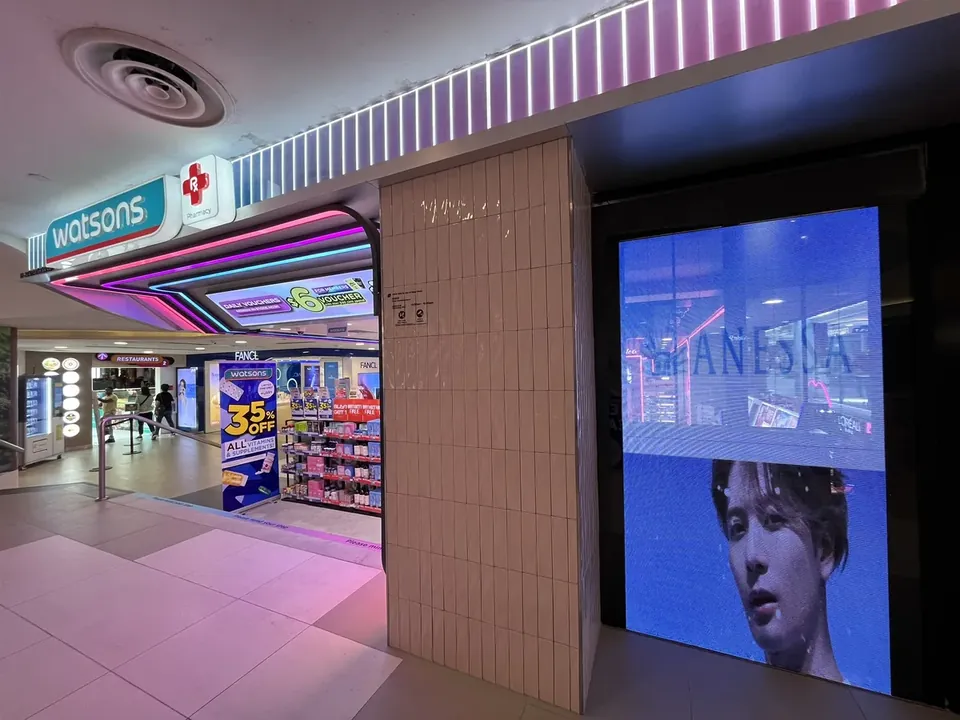
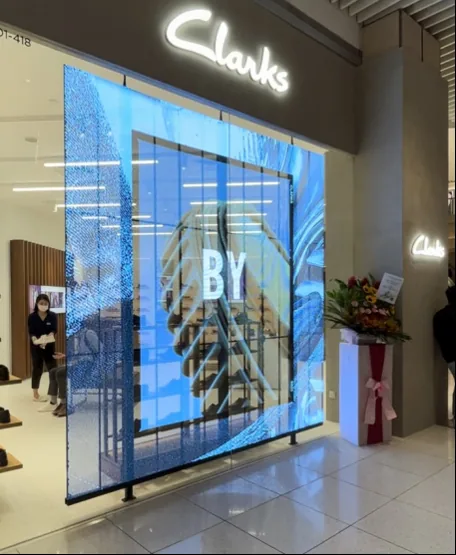
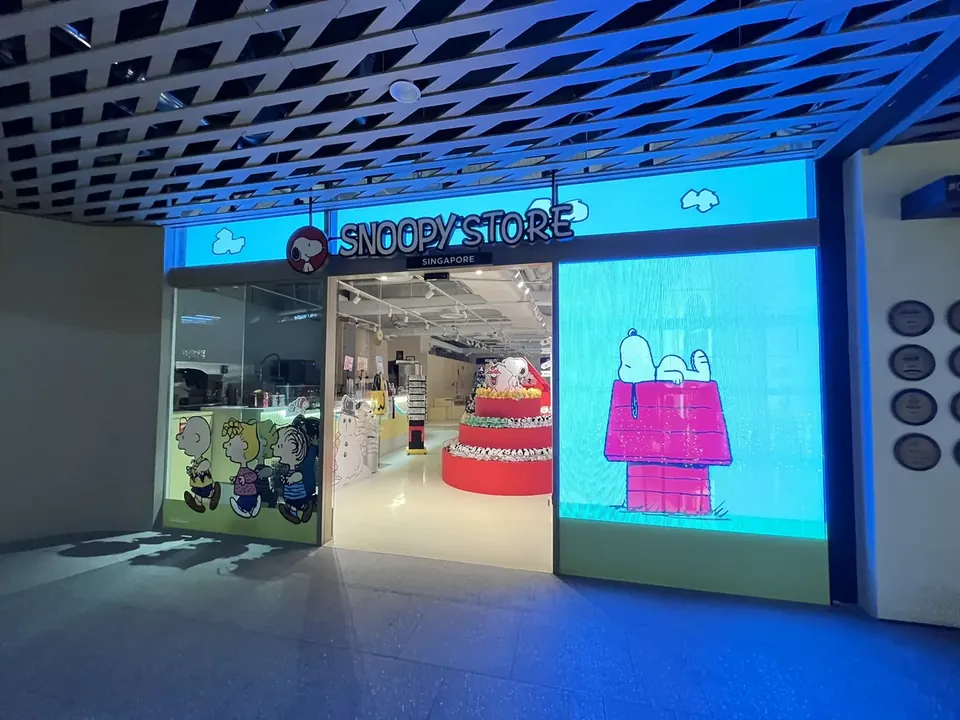
Glass-facing LED for campaign content while maintaining visual connection to merchandise and interiors.
Turn a glass shopfront into a high-visibility content surface without closing off the space behind it. ETA Visual designs, supplies and installs transparent LED display systems for Singapore retail, hospitality and commercial environments.
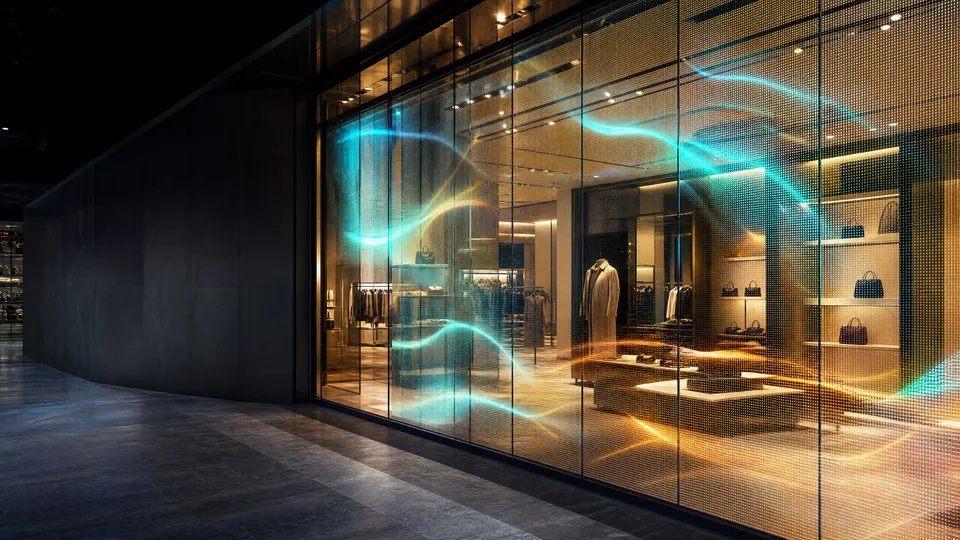
Glass-facing LED for campaign content while maintaining visual connection to merchandise and interiors.
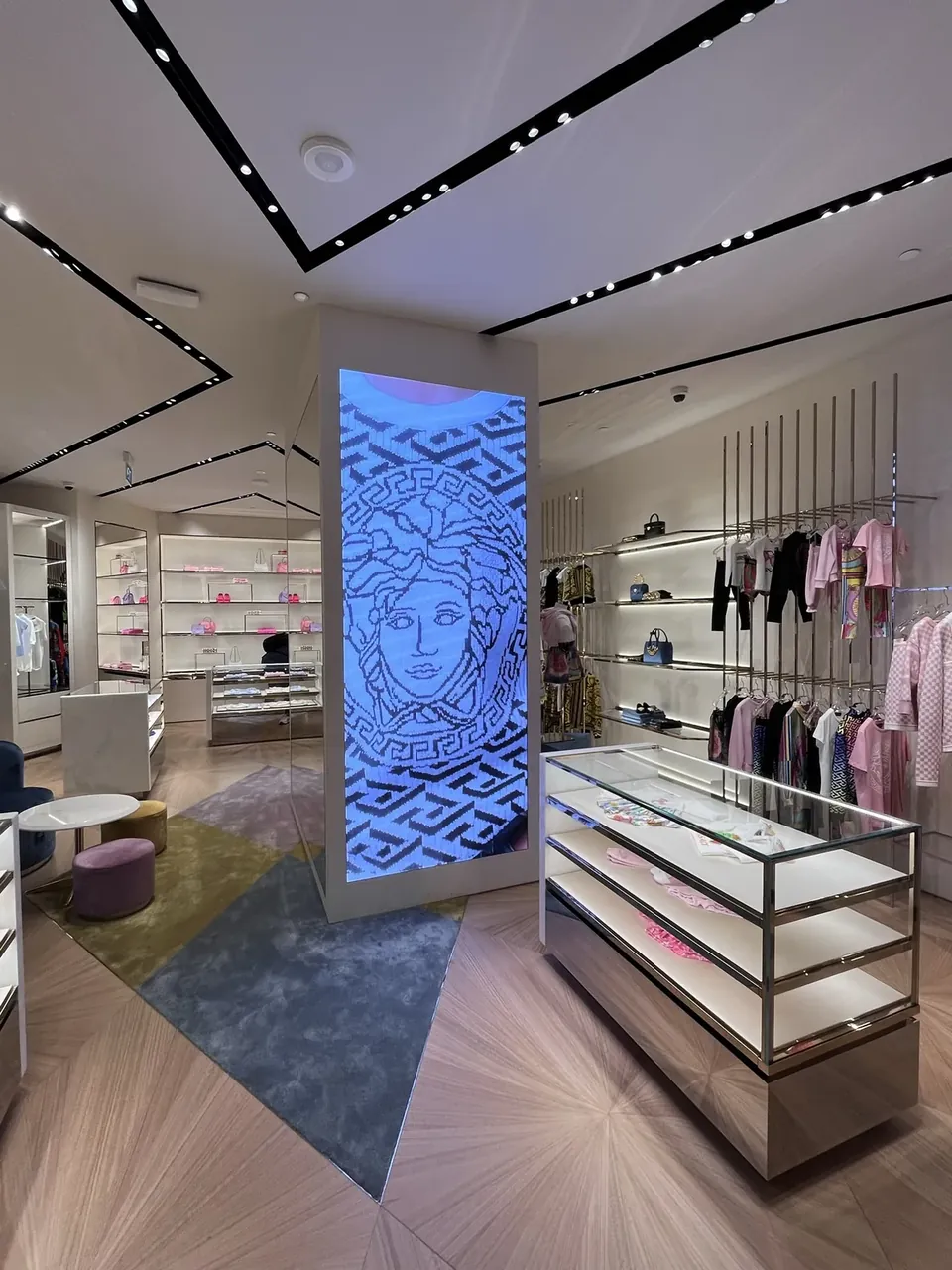
Architectural display planning for boutiques, malls and customer-facing brand environments.
Inputs and practical content workflow planned around the display resolution, layout and campaign operations.
Structured planning for glass condition, mounting method, power, sightlines, access and landlord coordination.
Straight answers from a Singapore-based specialist — so you can plan with confidence.
Transparent LED is appropriate when a storefront needs moving content while daylight, merchandise visibility and an open interior sightline remain important. The correct product and layout depend on the glass, viewing angles and what customers need to see behind the display.
We review mounting, cable routes, power, content hardware, access and mall or landlord requirements with the project team. This makes the display part of the shopfront design rather than a late add-on.
Transparent LED works best when content accounts for its open pixel structure, viewing context and lighting. We guide resolution, layout and operational workflow so campaign content stays legible without pretending the glass is an opaque screen.
ETA Visual coordinates specification, supply, installation, calibration and handover. The result is a practical route from a shopfront concept to a display your team can operate.
Review storefront sightlines, content planning and installation considerations before specifying a transparent LED display.
Can't find your answer? Message us on WhatsApp for a quick, straight reply.
It is a display technology designed for glass-facing applications where content is visible on the display while the space behind it remains visually open.
Yes, subject to glass condition, mounting method, power, access and landlord requirements. We assess these items during project planning.
The purpose is to retain a more open sightline than an opaque display. The practical visual result depends on the product, layout, content and lighting, which we review before specification.
Yes. We plan a content-ready input or CMS workflow around the final display and your operational needs, then provide handover guidance.

Tell us about your space and we'll get back with a free, no-obligation site survey and recommendation.