The Complete Guide to LED Video Walls in Singapore: Design, Installation, and Maintenance
Written and reviewed by the ETA Visual Engineering & Project Team. Guidance is updated when project, product or Singapore site-planning practices change.
You've likely stood before a seamless, vibrant display in a retail flagship or corporate lobby and wondered how to achieve that same impact for your own brand. For many business owners in Singapore, the initial excitement of planning an LED video wall often turns into anxiety when faced with technical jargon like P1.2 versus P4 or the logistical headache of mall management permits. It's a significant capital investment, and the fear of ending up with visible dead pixels or a display that fails to meet local safety standards is a common frustration. We agree that high-end visual technology should be a reliable asset, not a source of stress. This guide is designed to eliminate the guesswork by providing a structured, engineered approach to your project. You'll discover how to accurately match pixel pitch to your specific viewing distances and how to manage the unique installation challenges found in Singapore commercial buildings, such as loading bay logistics and structural requirements. We'll also explain the essential maintenance protocols required to protect your hardware from our local humidity. By the end of this article, you'll have a clear roadmap for a seamless installation
Key Takeaways
- Determine the optimal pixel pitch for your space by calculating viewing distances, ensuring your LED video wall delivers sharp visuals without overspending on unnecessary resolution.
- Navigate Singapore-specific installation challenges, including structural assessments, mall management coordination, and loading bay logistics, to avoid project delays and safety non-compliance.
- Move beyond a standalone screen by integrating your display with synchronized audio systems to create a cohesive and professional commercial environment.
- Protect your hardware investment against local humidity and technical failures through dedicated maintenance contracts that prioritize rapid-response local support and high uptime.
Table of Contents
Understanding LED Video Wall Technology for Commercial Spaces
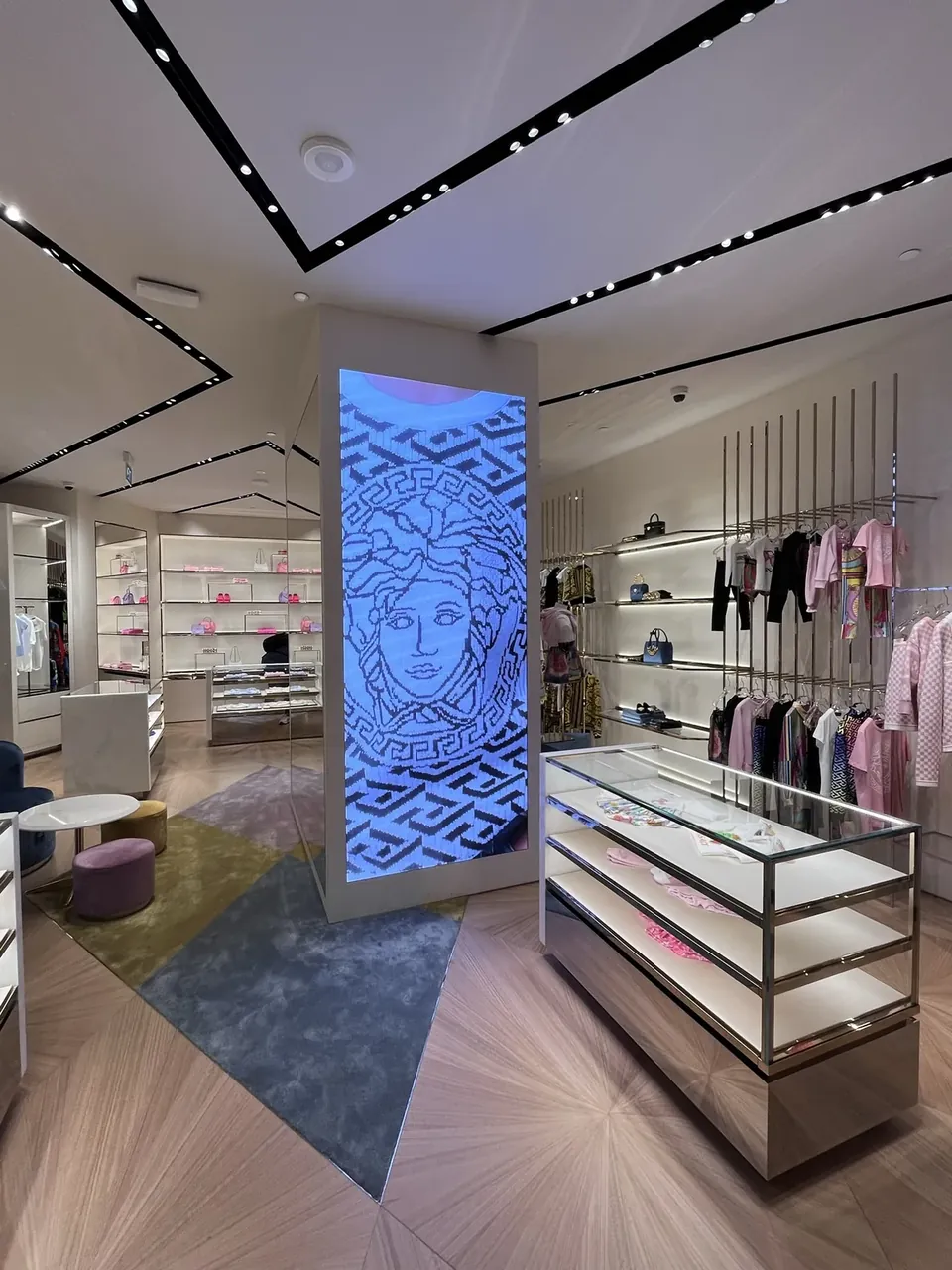
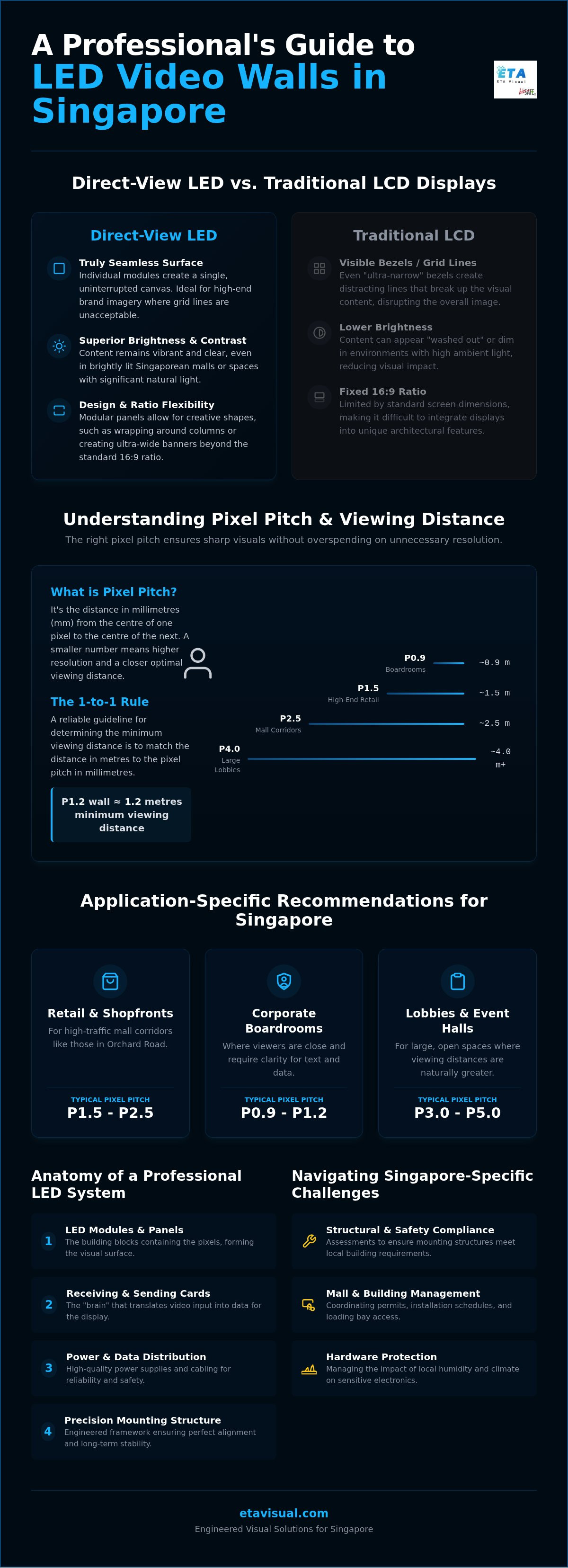
An LED video wall is a direct-view display system composed of individual modules that fit together to create a single, unified canvas. Unlike consumer televisions or projectors, these systems use LED display technology where the light-emitting diodes themselves produce the image. This construction allows for a completely bezel-free experience, meaning there are no distracting grid lines regardless of how large the screen becomes. For commercial environments in Singapore, the standard typically ranges from P0.9 to P5, covering everything from high-resolution corporate boardrooms to large-scale retail backdrops.
Direct-View LED vs. Traditional LCD
Traditional LCD walls are often limited by the physical borders, or bezels, around each screen. Even "ultra-narrow" bezels create visible lines that break up content. In contrast, an LED video wall offers a truly seamless surface. This is particularly advantageous for high-end retail displays where brand imagery must remain uninterrupted. Brightness is another critical factor. Singapore's malls are often flooded with natural light or high-intensity architectural lighting. LED panels typically offer much higher brightness and contrast ratios than LCDs, ensuring your content doesn't look washed out. The modular nature of these panels also means you aren't restricted to 16:9 ratios. You can wrap screens around columns or create ultra-wide banners that fit the unique architecture of your space.
The Components of a Professional LED System
A reliable installation involves more than just the front-facing panels. Each fine-pitch indoor LED system consists of several integrated layers. The LED module is the smallest unit containing the pixels. These modules connect to a receiving card, which processes the signal, while a sending box acts as the brain, translating your video input into data the wall can understand. Because these walls draw significant power, the system requires high-quality power supplies and stable electrical distribution. Finally, the mounting structure is the foundation of the entire project. It must be precision-engineered to ensure the modules align perfectly. In Singapore, this structure must also meet specific safety and building requirements to ensure long-term stability in high-traffic areas.
Selecting Pixel Pitch: Finding the Balance Between Clarity and Budget
Pixel pitch is the distance in millimetres from the centre of one pixel to the centre of the next. This single metric determines both the visual clarity of your LED video wall and the total cost of the hardware. In Singapore's competitive commercial spaces, selecting the right pitch is a balance between creating a sharp image and managing your capital expenditure. If the pixels are too far apart, the image looks grainy to nearby shoppers. Conversely, if they're too close, you're paying for resolution that the human eye cannot perceive from a distance. A well-planned LED video wall should feel like a natural part of the architecture rather than a collection of visible dots.
The Viewing Distance Formula
A reliable industry guideline for selection is the 1-to-1 rule. This suggests that a P1.2 screen is best viewed from at least 1.2 metres away. Over-specifying is a frequent error that leads to a bloated budget. For example, installing a P0.9 screen in a high-atrium lobby where the nearest viewer is five metres away offers no visual benefit over a more affordable P2.5 or P3 model. It's also vital to remember that resolution is a function of both pitch and physical size. Achieving a 4K resolution on a small wall requires an ultra-fine pitch, whereas a massive lobby wall can reach 4K using larger, more cost-effective pixels.
Application-Specific Recommendations
Different environments in Singapore require tailored specifications. Retail shopfronts in high-traffic areas like ION Orchard often find their "sweet spot" between P1.5 and P2.5. This range provides enough detail for mall corridors where foot traffic passes within two to three metres of the glass. For corporate boardrooms or command centres where viewers read small text and data, Fine Pitch Indoor LED (P0.9 to P1.2) is the standard for text clarity. In contrast, large hospitality lobbies or exhibition halls can effectively use P3 to P5 pitch because the open space naturally creates a greater viewing distance.
Ensuring your selection aligns with Singapore's digital display regulations is part of a professional engineering approach. Selecting the wrong hardware can lead to issues with brightness or power consumption that conflict with building management rules. To ensure your investment delivers the right impact, you should speak with an LED/AV specialist to conduct a thorough site assessment.
A successful LED video wall project begins long before the first panel arrives at the site. We prioritize a professional site survey to assess the structural integrity of the mounting surface. Because these displays are composed of dense magnesium or die-cast aluminium cabinets, they exert significant weight. In many Singapore commercial buildings, we must verify that the wall or hanging structure can support this load, often requiring coordination with a Professional Engineer (PE) for structural endorsement. This engineering-first approach prevents costly mid-project delays and ensures the safety of everyone in the vicinity.
Navigating Mall and Building Management
Installing in major Singapore retail hubs or Grade A offices requires strict adherence to building management rules. You'll find that most malls mandate night-time installation windows, typically starting after 10:00 PM. This avoids disruption to shoppers and ensures loading bay access is available for the large crates containing the modules. We manage the entire permit process, including "hot work" permits for any necessary metalwork on the mounting frame. Proper cable management is also vital; we ensure all power and data lines are routed through existing false ceilings or conduits to maintain the mall’s aesthetic and fire safety standards.
Environmental Protection for LEDs
Singapore’s tropical climate presents unique challenges, specifically regarding humidity and heat. High ambient moisture levels can lead to oxidation on PCB boards, which eventually causes dead pixels or total module failure. To mitigate this, we prefer using components that feature conformal coating to seal sensitive electronics. Heat dissipation is another critical factor for an LED video wall. In enclosed shopfront cabinets or recessed niches, heat can build up rapidly. We design these systems with active ventilation or sufficient air gaps to allow heat to escape. While consistent air conditioning in Singapore offices provides a baseline of protection, the system must still be engineered to handle its own thermal output to ensure long-term stability and high uptime.
Integrated AV Systems: Beyond the Visual Display
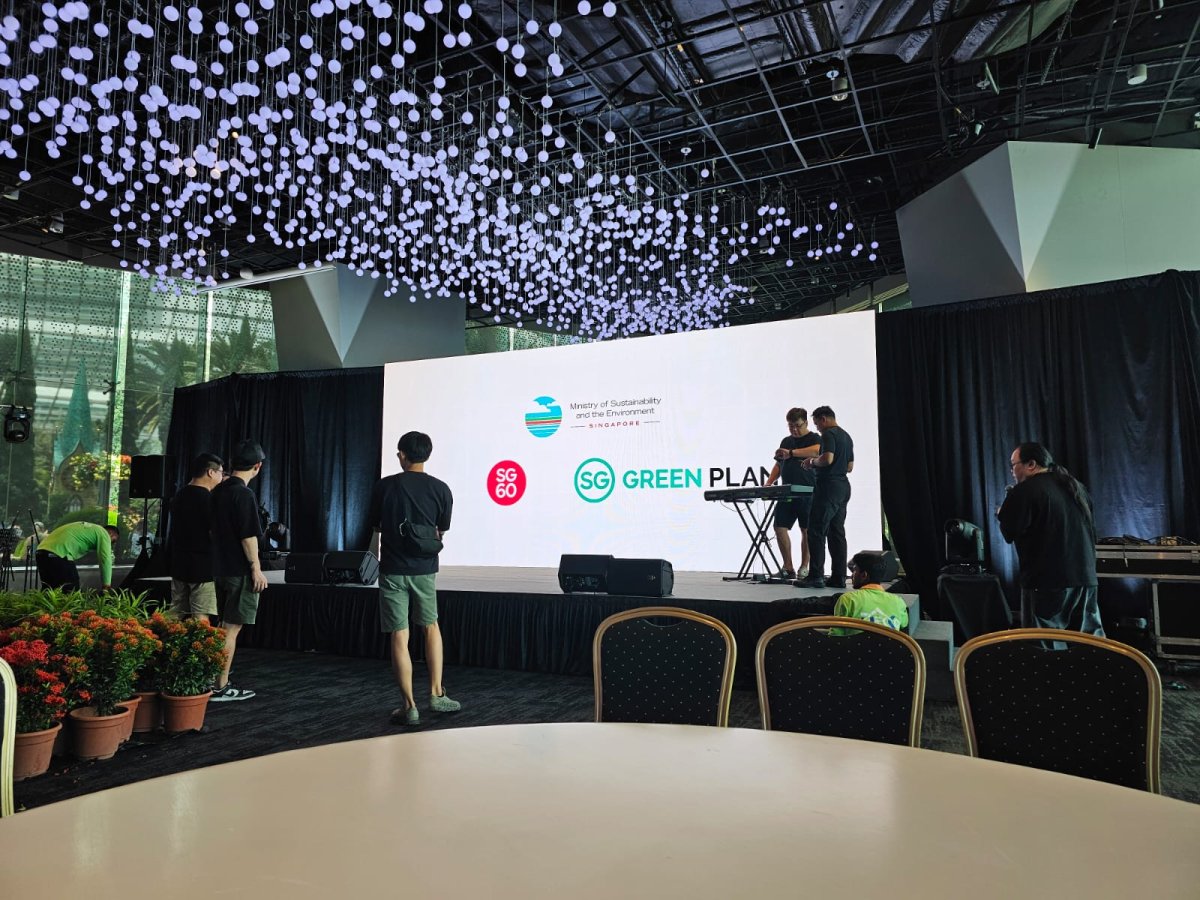
View an LED video wall as a single component within a larger ecosystem. To achieve maximum ROI, it must be part of a comprehensive Commercial AV integration plan. This approach ensures that your high-resolution display isn't just a silent screen but a dynamic tool that works in tandem with professional audio and smart control systems. When visuals and audio are engineered together, the impact on your audience is far more profound than a standalone hardware installation.
For corporate users, simplicity remains the priority. We implement user-friendly control interfaces, often via touch panels, that allow staff to switch between presentation modes or video conferencing with a single tap. This eliminates the technical friction often associated with complex AV setups in boardrooms. Behind the scenes, a robust Content Management System (CMS) handles the scheduling of content. This allows retail managers to automate promotions based on the time of day or specific store events, ensuring the right message reaches the audience without manual intervention.
Audio-Visual Synchronisation
In the retail sector, the "stopping power" of a storefront is significantly increased when visuals and sound are perfectly aligned. We integrate retail background music systems to trigger specific audio tracks that match the video wall's promotional loops. In our work with the Coach Storefront and the Hoka Store, we utilised this synergy to create a more engaging atmosphere. Using directional audio speakers can further enhance this by focusing sound specifically on the foot traffic path without creating noise pollution for neighbouring units.
Connectivity and Signal Distribution
The technical stability of the system depends on professional-grade signal distribution. Video processors play a vital role because they scale content to fit the non-standard aspect ratios often required for custom LED video wall installations. In corporate boardrooms or command centres, we focus on low-latency delivery to ensure that mouse movements or live video remain fluid. While wireless content sharing is popular for its convenience, we typically deploy high-bandwidth wired connections for mission-critical backdrops to prevent signal dropouts. For larger installations, we may also design redundant signal paths to ensure the wall remains operational even if a single cable or data port fails.
Maintaining an LED video wall in Singapore’s high-traffic commercial environments requires a shift from reactive fixes to proactive engineering. The longevity of your display depends on how easily it can be serviced and the speed of technical support. We distinguish between front-service and rear-service access based on your specific site constraints. In retail storefronts where the wall is mounted against a solid surface, front-service modules are essential. These allow technicians to remove individual panels using a vacuum tool or magnetic kit from the front, avoiding the need to dismantle the entire mounting structure.
Securing Av Maintenance Singapore contracts is a practical necessity for 24/7 commercial displays, such as those in transport hubs or malls. These agreements ensure that your system receives regular oversight, protecting the hardware from the long-term effects of heat and electrical wear.
Preventive vs. Reactive Maintenance
Preventive maintenance involves scheduled inspections to verify the health of power supplies and signal cables. We also perform pixel consistency checks to identify aging diodes before they fail. In high-traffic retail areas, dust build-up can clog ventilation fans and lead to overheating. Regular cleaning protocols prevent these thermal issues. We also offer remote monitoring capabilities that allow our team to identify system failures or signal loss before you even notice a problem, enabling us to dispatch a technician immediately.
Solving the "Dead Pixel" Problem
A common fear for display owners is the appearance of dead pixels. Because of the modular design of an LED video wall, we don't need to replace the entire screen if a few pixels fail. Instead, we perform module-level repairs or swaps. A critical part of our strategy is maintaining a stock of batch-matched spare parts. LEDs from different production batches often have slight variations in colour temperature and brightness. By using modules from the original batch, we ensure that replaced sections blend perfectly with the rest of the wall.
After any module replacement, we conduct colour calibration to match the new panel with the surrounding display. Our local presence in Singapore means we provide rapid-response support for emergency on-site repairs. This is significantly faster than returning components to an overseas manufacturer, which can result in weeks of downtime. We take full ownership of the after-sales lifecycle, ensuring your visual asset remains as impactful as the day it was installed.
Engineering Your Visual Future in Singapore
A successful LED video wall installation is the result of precise technical planning and a deep understanding of the local commercial environment. By matching pixel pitch to viewing distances and navigating the specific logistics of Singapore's building management, you transform a hardware purchase into a long-term commercial asset. Protecting this investment through specialised maintenance contracts ensures that your display remains vibrant despite our tropical humidity.
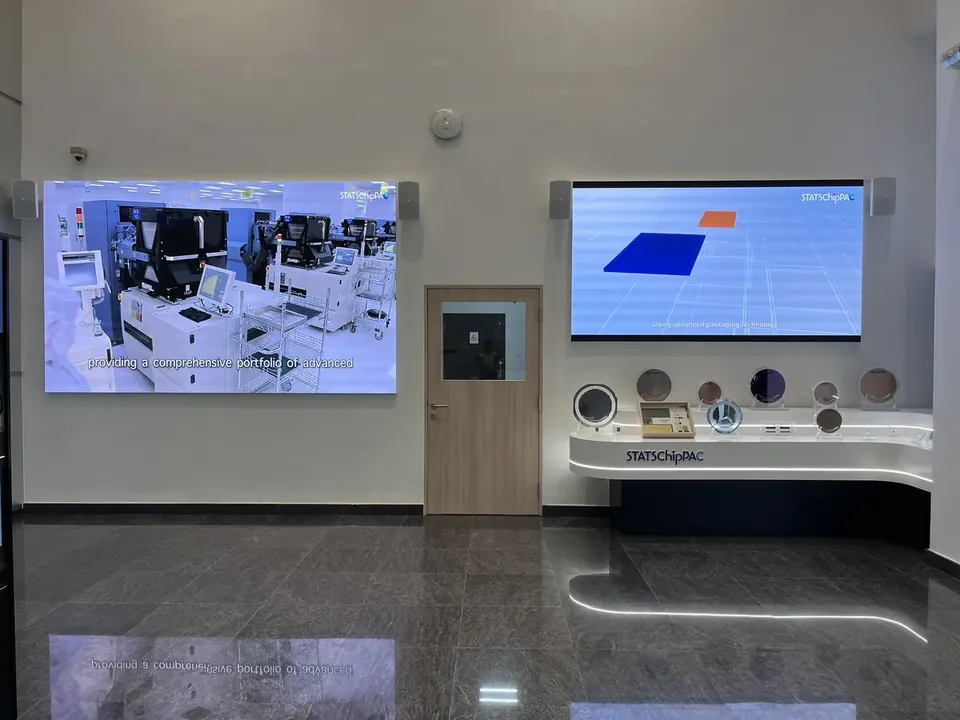
At ETA Visual, we bring over eight years of engineering experience across more than 10 countries to every project. We specialise in high-resolution retail shopfronts and corporate boardrooms, providing the specific system design required for a seamless, bezel-free finish. Our commitment doesn't end at the point of sale; we provide rapid-response on-site technical support within Singapore to ensure your system's long-term uptime and visual performance.
We look forward to helping you design a display that captures attention and delivers lasting value for your brand.
How much does an LED video wall cost in Singapore?
The total investment for an LED video wall depends on variables such as pixel pitch, physical dimensions, and installation complexity. Finer pitches like P0.9 require more LEDs per square metre, increasing the hardware cost. You must also account for essential infrastructure like custom mounting frames, video processors, and electrical works. We recommend focusing on the total cost of ownership, including long-term power consumption and maintenance, rather than just the initial purchase price of the panels.
What is the lifespan of a commercial indoor LED display?
Most commercial-grade LED panels are rated for approximately 100,000 hours of use before reaching half of their original brightness. In a typical Singapore retail environment operating 12 hours a day, this translates to over 20 years of potential service. However, the actual lifespan is heavily influenced by heat dissipation and humidity control. Regular preventive maintenance and operating the screen at appropriate brightness levels are vital to preventing premature component failure and ensuring consistent colour accuracy.
Do I need a permit from BCA for an indoor LED wall installation?
Indoor installations typically don't require the same Outdoor Advertising Licence as street-facing billboards, but structural safety remains a priority. If your LED video wall is exceptionally large or heavy, building management may require an endorsement from a Professional Engineer (PE) to verify the wall's load-bearing capacity. You should always check with your specific building's management office regarding their internal requirements for "hot work" permits and structural modifications before commencing any installation work on-site.
What is the difference between SMD and GOB LED technology?
SMD technology involves mounting individual LED chips onto the surface of a PCB, which is the standard for most high-resolution indoor displays. GOB, or Glue on Board, adds a transparent epoxy layer over the SMD modules. This provides an extra level of protection against physical impact, dust, and Singapore's high humidity. While SMD offers excellent visual clarity, GOB is often preferred for retail shopfronts where the screen is within reach of the public and requires more durability.
How far away should customers stand from a P2.5 LED wall?
For a P2.5 display, the optimal viewing distance starts at approximately 2.5 metres. At this range, the human eye can no longer distinguish individual pixels, resulting in a smooth and clear image. If customers stand significantly closer, the content may appear grainy or "pixelated." For narrow mall corridors where foot traffic is less than two metres from the screen, we typically suggest moving to a finer pitch like P1.5 or P1.8 to maintain visual impact.
Can an indoor LED screen be used behind a glass window facing the sun?
Standard indoor screens aren't typically bright enough to compete with direct Singapore sunlight and may appear washed out. For shopfronts facing the sun, you require high-brightness panels that deliver at least 3,000 to 5,000 nits. These specialised displays are engineered to remain visible in high-ambient light while managing the significant heat generated by the sun's UV rays hitting the glass. Proper ventilation is also critical in these enclosed window niches to prevent the hardware from overheating.
What happens if a single pixel dies on my video wall?
You don't need to replace the entire display if a pixel fails. Because the system is modular, a technician can swap out the specific module containing the dead pixel in a matter of minutes. We then send the faulty module for component-level repair, where the individual LED is replaced. It's important to use batch-matched spare modules from your original order to ensure that the colour and brightness of the replacement section perfectly match the rest of your screen.
How long does it take to install a standard 3x2 metre LED wall?
A standard installation typically takes between three to five days, depending on the site's readiness. The process begins with the structural mounting of the frame, followed by the precision alignment of the LED cabinets. Once the hardware is secure, we spend significant time on data cabling, software configuration, and colour calibration. Because most Singapore malls require night-time work, we coordinate these stages to ensure the display is fully tested and operational before your business opens the next morning.
Visual planning reference
| Planning factor | What to define | Why it matters |
|---|---|---|
| Viewing positions | Nearest viewing distance and audience locations | Supports an appropriate pixel-pitch and screen-size decision. |
| Content workflow | Input sources, resolutions and control workflow | Helps ensure information remains readable and simple to operate. |
| Installation conditions | Structure, access, power, ventilation and maintenance access | Aligns the display scope with the physical site before procurement. |
Want an accurate budget for your space?
We'll do a free site survey and prepare a clear, itemised quotation — no obligation.
Frequently asked questions
The total investment for an LED video wall depends on variables such as pixel pitch, physical dimensions, and installation complexity. Finer pitches like P0.9 require more LEDs per square metre, increasing the hardware cost. You must also account for essential infrastructure like custom mounting frames, video processors, and electrical works. We recommend focusing on the total cost of ownership, including long-term power consumption and maintenance, rather than just the initial purchase price of the panels.
Most commercial-grade LED panels are rated for approximately 100,000 hours of use before reaching half of their original brightness. In a typical Singapore retail environment operating 12 hours a day, this translates to over 20 years of potential service. However, the actual lifespan is heavily influenced by heat dissipation and humidity control. Regular preventive maintenance and operating the screen at appropriate brightness levels are vital to preventing premature component failure and ensuring consistent colour accuracy.
Indoor installations typically don't require the same Outdoor Advertising Licence as street-facing billboards, but structural safety remains a priority. If your LED video wall is exceptionally large or heavy, building management may require an endorsement from a Professional Engineer (PE) to verify the wall's load-bearing capacity. You should always check with your specific building's management office regarding their internal requirements for "hot work" permits and structural modifications before commencing any installation work on-site.
SMD technology involves mounting individual LED chips onto the surface of a PCB, which is the standard for most high-resolution indoor displays. GOB, or Glue on Board, adds a transparent epoxy layer over the SMD modules. This provides an extra level of protection against physical impact, dust, and Singapore's high humidity. While SMD offers excellent visual clarity, GOB is often preferred for retail shopfronts where the screen is within reach of the public and requires more durability.
For a P2.5 display, the optimal viewing distance starts at approximately 2.5 metres. At this range, the human eye can no longer distinguish individual pixels, resulting in a smooth and clear image. If customers stand significantly closer, the content may appear grainy or "pixelated." For narrow mall corridors where foot traffic is less than two metres from the screen, we typically suggest moving to a finer pitch like P1.5 or P1.8 to maintain visual impact.
Standard indoor screens aren't typically bright enough to compete with direct Singapore sunlight and may appear washed out. For shopfronts facing the sun, you require high-brightness panels that deliver at least 3,000 to 5,000 nits. These specialised displays are engineered to remain visible in high-ambient light while managing the significant heat generated by the sun's UV rays hitting the glass. Proper ventilation is also critical in these enclosed window niches to prevent the hardware from overheating.
Plan the next step
Continue with a relevant solution and real Singapore project evidence.