LED Screen Rental vs Purchase in Singapore: Which Makes More Sense in 2026?
Choosing between LED screen rental and purchase is a commercial decision, not simply a comparison of the first quote. A single product launch, an annual expo stand and a recurring corporate venue have different requirements for operating days, content control, transport, risk and technical support. This guide gives Singapore teams a practical framework to decide which route fits the actual project.
Start with usage pattern, not the lowest daily figure
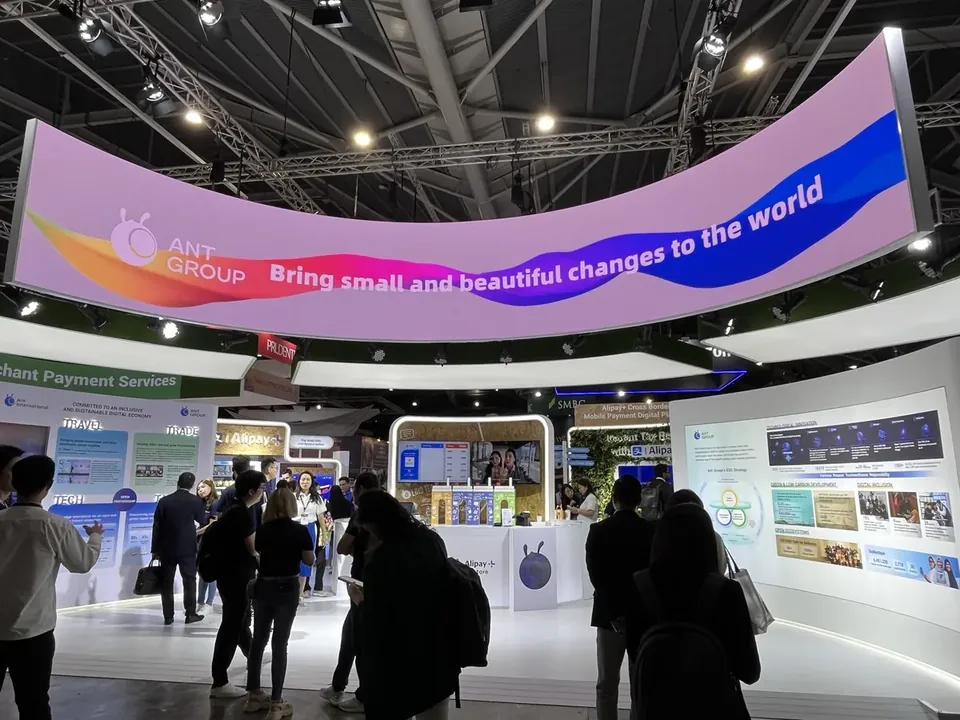
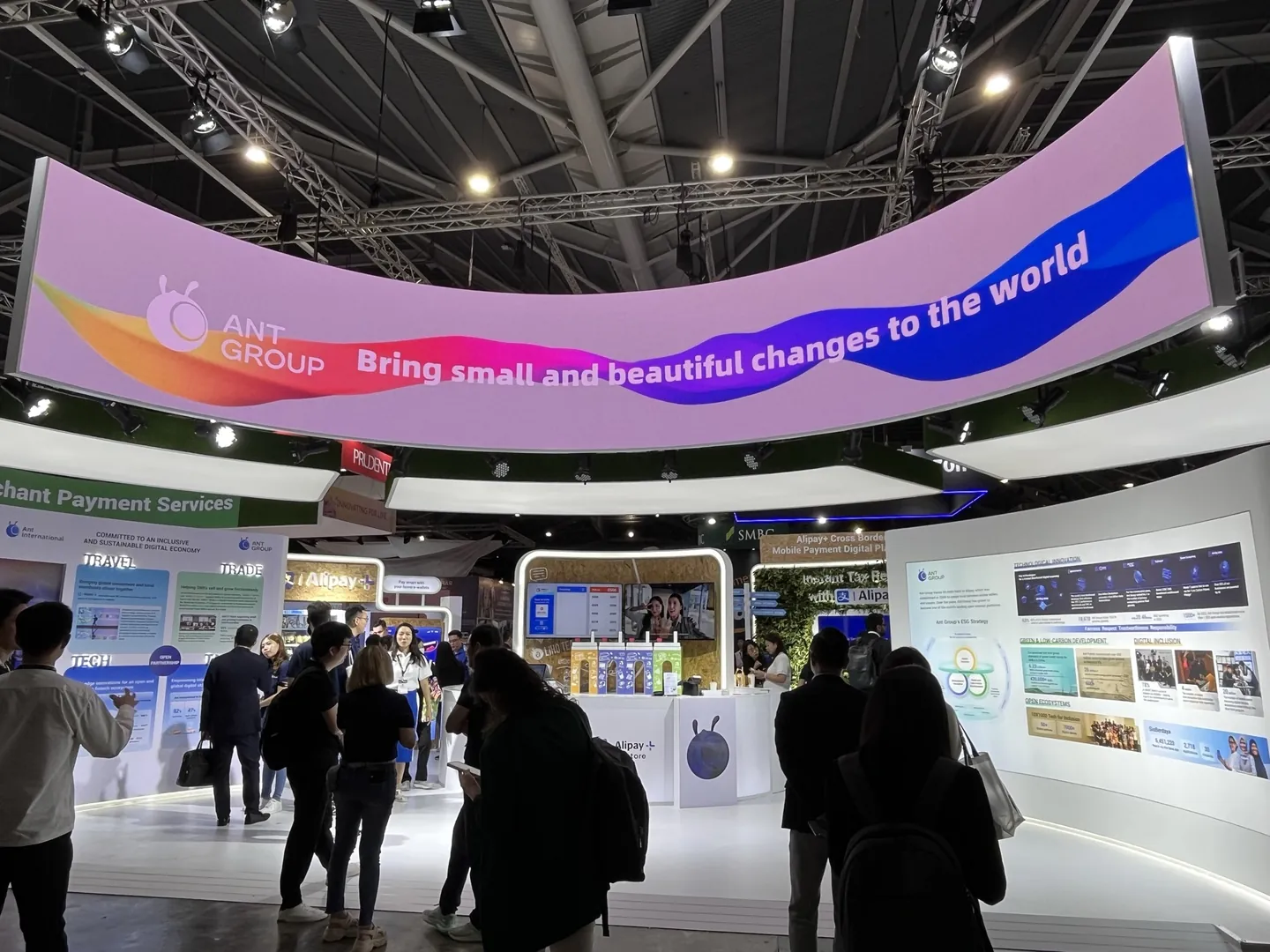
Rental can be a sensible route for a one-off launch, a short exhibition or an activation with a clear end date. The scope can be planned around the venue, event schedule, viewing distance, content inputs and build window without creating a long-term asset to store or operate.
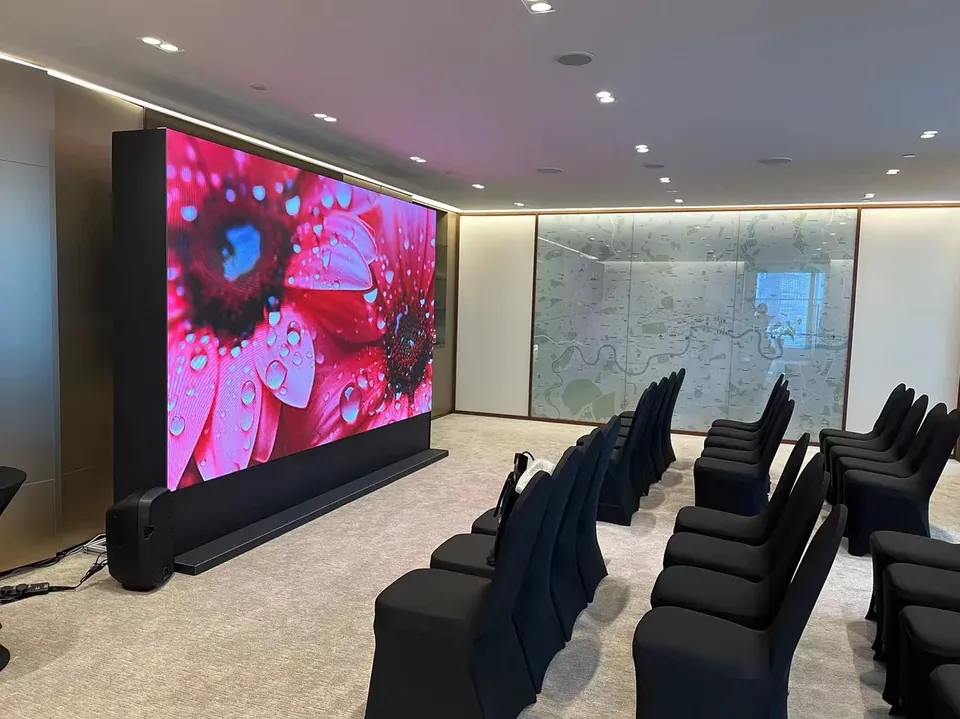
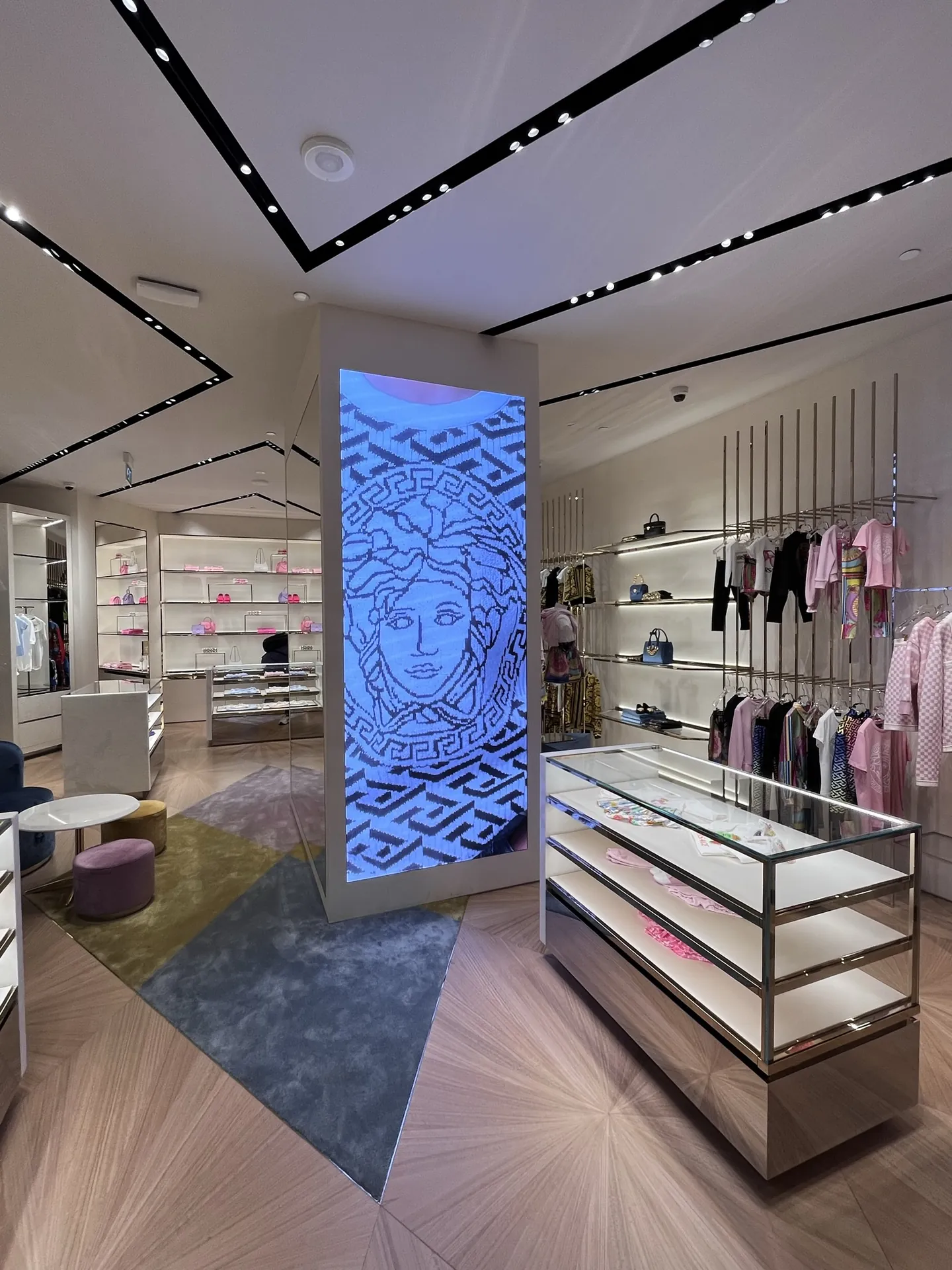
Purchase or a semi-permanent installation becomes more relevant when the display will be used repeatedly in a showroom, retail environment, venue, boardroom or recurring event programme. The decision should follow the expected operating days, reuse plan and responsibility after the first event, rather than a generic rule about screen size.
Compare the complete project cost, not only rental versus equipment price
For a rental-led event, confirm what the quotation includes: screen configuration, transport, installation, commissioning, operating coverage, teardown, access requirements and any contingency for venue changes. A low equipment day rate can be misleading if the scope leaves material logistics or technical responsibility unclear.
For a purchase-led project, compare the installed scope rather than module cost alone. Screen specification, structure, power, signal distribution, processing, commissioning, training, content workflow and future support all affect whether the system will serve the intended operating model. Ask for each assumption to be stated clearly in the proposal.
Decide how much technical control and reuse you need
A rented LED screen is configured for an agreed event workflow. This can reduce ownership tasks, but the final specification, availability and operating process must suit the confirmed date and venue. It is important to test presentation media, playback, live sources and switching before doors open.
An owned or semi-permanent display gives the team a repeatable canvas for scheduled content, meetings, promotions or venue programming. It also introduces an operating model: who updates content, who approves access, how the system is powered down, and what support is needed when the original event team is not present.
Plan logistics and risk before the event window is fixed
For temporary screens, confirm the loading bay, lift dimensions, build and teardown slots, venue technical guide, structural or ground-support approach, cable routes, power availability and crew access. These details can determine the workable screen geometry before a display is selected.
For permanent or recurring use, add building approval, mounting approach, maintenance access, source locations, network policy and handover responsibilities to the planning list. A site review gives the project team a chance to align these constraints with the visual intent and commercial timeline.
Use a short decision checklist before requesting quotations
Bring the event or operating dates, venue plan, closest viewer distance, target content format, required live inputs, preferred screen position, expected annual use and any organiser or landlord requirements. This allows suppliers to propose a practical configuration rather than guessing from a headline screen size.
If the answer is still unclear, compare two scoped options: a rental route for the immediate event and a purchase or semi-permanent route for repeated use. The key is to compare like-for-like assumptions on screen quality, logistics, operating coverage and post-event responsibility.
| Decision factor | Rental-led route | Purchase or semi-permanent route | What to confirm |
|---|---|---|---|
| Usage pattern | One-off event or short activation | Recurring venue, retail, showroom or event programme | Expected operating days and reuse plan |
| Project cost | Event scope, logistics, setup and operating coverage | Installed system, structure, commissioning and future support | Which items are included in the quotation |
| Technical control | Agreed event inputs and operating workflow | Repeatable content and source workflow for the owner team | Who operates content, switching and access |
| Logistics | Delivery, access, build and teardown windows | Site approval, mounting, power and maintenance access | Venue or building technical requirements |
| Risk and support | Responsibilities defined for the event period | Operating and support plan beyond initial handover | Contingency, support and ownership responsibilities |
Want an accurate budget for your space?
We'll do a free site survey and prepare a clear, itemised quotation — no obligation.
Frequently asked questions
For a single launch or short activation, rental can be a practical starting point when the final venue, dates, screen size and operating coverage are clearly scoped. If the display will be reused across a regular programme, compare a purchase or semi-permanent route against the expected operating days and workflow.
Purchase is worth evaluating when the screen will serve a recurring retail, venue, showroom, corporate or event use case. The comparison should include not only equipment cost, but installation, content control, support, storage, logistics and the operating responsibility after the first project.
Ask for the display configuration, pixel pitch, transport, installation, access assumptions, commissioning, source inputs, operating coverage, teardown and any contingency or venue-related charges. This makes quotations easier to compare on the same project basis.
It depends on the chosen product, mounting approach, transport plan and operating model. Before assuming reuse, confirm whether repeated assembly, venue access, storage, content workflow and technical support are appropriate for the planned programme.
They affect the suitable pixel pitch, screen size, processing and event workflow. Close-viewing booth content can require a different specification from a large stage backdrop, while repeated content scheduling may favour a permanent operating model. A site and content review helps establish the practical choice.
Plan the next step
Use event and fixed-installation examples to decide whether rental or ownership fits the use case.
ETA Visual designs, supplies and installs seamless indoor LED video walls for corporate lobbies, meeting rooms and control rooms across Singapore.
ETA Visual designs, supplies and installs indoor LED video walls (P0.9–P5), transparent LED and flexible curved displays for retail and commercial spaces across Singapore.