Indoor LED Content Resolution Singapore: 2026 Planning Guide
Written and reviewed by the ETA Visual Engineering & Project Team. Guidance is updated when project, product or Singapore site-planning practices change.
_96179378_24a9a7d2.webp)
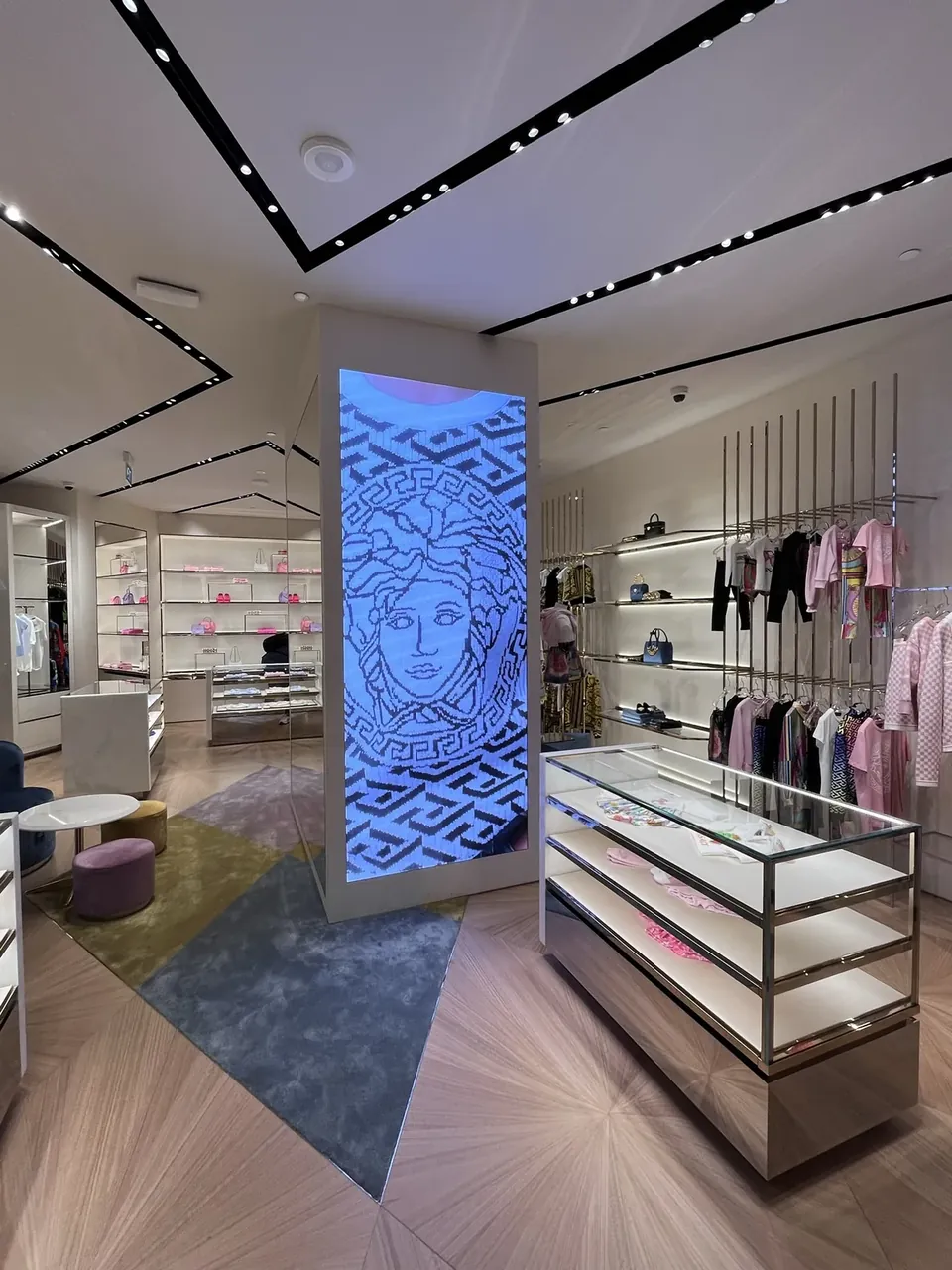
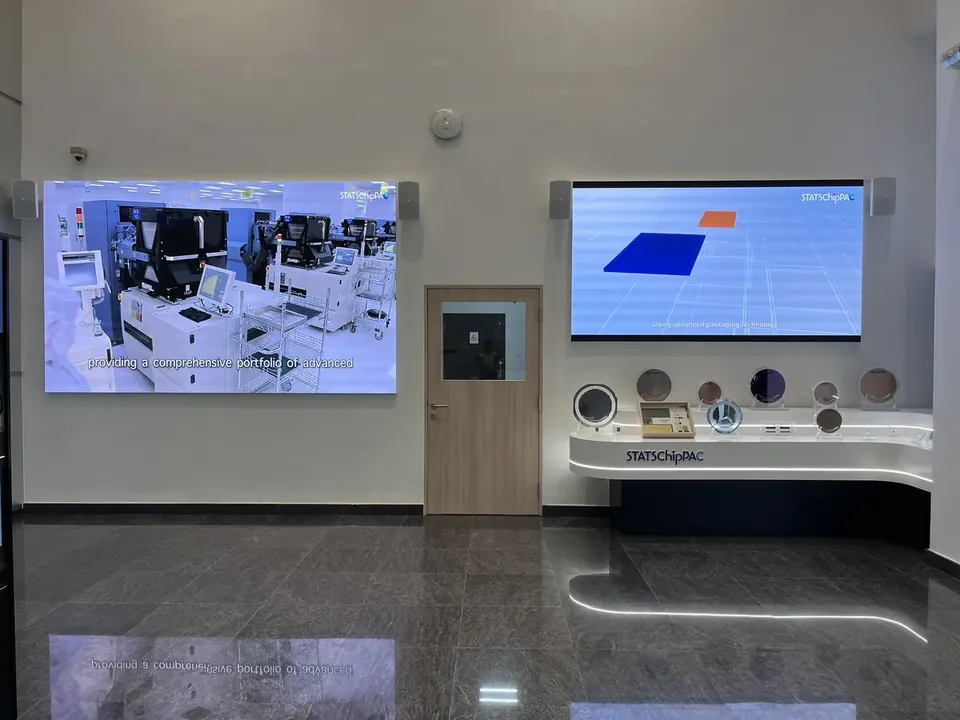
This 2026 planning guide focuses on indoor LED content resolution for Singapore installations and is intended for project managers, designers, and AV decision makers. Indoor LED video walls offer high visual impact, but achieving clear, readable imagery requires early coordination between content creators, system integrators, and facilities teams. The primary objective in planning is matching content resolution and format to the physical build (pixel pitch, cabinet layout, and driver/controller capabilities) so that text remains legible, branding appears accurate, and motion plays smoothly.
Singapore projects commonly face tight timelines, mixed-use spaces, and high expectations for image quality. This guide walks through the core technical and operational considerations—pixel pitch and viewing distance, native resolution and scaling, aspect ratio and safe areas, brightness and ambient conditions, playback hardware and network architecture, and lifecycle/maintenance planning—without prescribing specific vendor products. Use these principles to brief partners, create a content-spec sheet, and reduce rework during commissioning.
Pixel pitch, viewing distance, and native resolution
Pixel pitch and viewing distance are the foundation of content-resolution planning. Pixel pitch (the centre-to-centre distance between LED pixels, typically expressed in millimetres) determines native pixel density: smaller pitches yield higher resolution per square metre and support closer viewing distances. For interior spaces where viewers approach the screen (retail counters, information kiosks, control rooms), specify finer pixel pitch; for lounges, large atria, and corridor walls where viewing distance is greater, a larger pitch can be cost-effective.
When defining pitch, convert the physical wall dimensions to pixel dimensions early in the design. That lets designers deliver content exactly matched to the assembled surface rather than relying on scaling. Use the pixel dimensions to set master asset sizes for motion, stills, and UI elements and to identify minimum type sizes for legibility at the closest expected viewing distance.
Aspect ratio, safe areas, and templates
Aspect ratio, safe areas, and content templates keep imagery aligned across different cabinet layouts. Many LED walls are assembled from modular cabinets and may form nonstandard aspect ratios — for example a tall column or a wide panoramic strip. Always confirm the final aspect ratio and provide designers with a template that matches the assembled pixel width and height.
Safe areas reserve margins where critical text and logos won’t be clipped by framing, bezels, or masking. For complex arrays, include multiple templates: the final live display template, a preview template sized for client review, and a fallback 16:9 template for standard video playback. Where content will be repurposed (social, in-store screens), plan exports at multiple resolutions and aspect ratios from the same master source.
Scaling, controllers, and preserving visual fidelity
Scaling, interpolation, and edge blending impact perceived image clarity. Modern LED controllers can scale inputs to an assembled wall, but scaling introduces artifacts if source files are low resolution or highly compressed. Always supply high-quality masters sized to the display’s native pixel dimensions when possible. Where live inputs or multiple sources are involved, confirm controller capabilities (maximum input resolution, supported signal types, and internal scaling algorithms) before finalising content.
For multi-panel or blended arrays, ensure the playback system supports pixel-accurate mapping and that any seams or overlaps are handled in the content authoring phase. Test animated or fast-motion sequences at full speed on the actual hardware to identify motion blur, judder, or frame-dropping issues.
Brightness, contrast, and ambient-light planning
Brightness, contrast, and ambient lighting considerations in Singapore’s interior environments can vary widely—from brightly lit shopping malls and transit hubs to dimmed corporate lobbies. Indoor LEDs can be tuned for brightness and color temperature, but more output does not always improve perception; excess brightness can cause glare and colour shifting on reflective surfaces nearby.
Specify maximum brightness (nits) appropriate for the space and confirm local building standards or mall operator rules. Include anti-glare finish options and plan placement to minimise direct reflections from windows and glossy finishes. Coordinate with interior lighting designers to achieve a balanced viewing experience that maintains detail in highlights and deep blacks where needed.
Playback systems, codecs, and operational workflows
Playback architecture and file-management workflows determine how reliably the right content appears on schedule. Core considerations include: whether playback is local (media player on-site) or networked (central server pushing content), the playout software’s support for native pixel resolutions, codec and format support, and redundancy strategies for mission-critical installations.
For Singapore deployments with multiple locations or centralised content teams, select a playout system with version control, remote monitoring, and secure transfer. Define a file-naming and folder convention, deliver checksum-verified media, and schedule a staged commissioning test where the playout hardware and network are validated under real operational conditions.
Maintenance, testing, and lifecycle considerations
Lifecycle planning reduces downtime and total cost of ownership. Create an operations plan that includes routine cleaning procedures for LED surfaces, a schedule for color calibration and firmware updates, spare-part inventory (modules, power supplies), and a documented escalation path for failures. Identify environmental controls like humidity and temperature limits for indoor cabinets and provide trained maintenance staff with safe access procedures.
During procurement, include acceptance tests that verify pixel uniformity, color consistency, and full-resolution playback. Contract terms should define response times for on-site support and warranty coverage scope. Finally, build a simple training session into handover so in-house teams understand day-to-day operation, signage scheduling, and basic troubleshooting.
| Pixel pitch (mm) | Typical closest viewing distance | Common indoor use cases | Quick content guidance (3 m wide wall) |
|---|---|---|---|
| 0.9 – 1.5 | 0.5 – 2 m | Retail counters, HD kiosks, control rooms | High-density assets recommended. For a 3 m wall expect ~2000–3333 px width; supply full-resolution masters. |
| 1.6 – 2.5 | 1.5 – 4 m | Premium retail, hospitality lobbies, corporate signage | Fine detail and text are legible. For a 3 m wall expect ~1200–1875 px width; use high-quality video and vector text. |
| 3.0 – 4.0 | 3 – 6 m | Larger atria, wide panoramic displays | Good for mixed media. For a 3 m wall expect ~750–1000 px width; avoid small body text and intricate line work. |
| 4.5 – 6.0+ | 5 – 10 m | Large wayfinding, distant viewing signage | Lower pixel density; use bold graphics and large type. For a 3 m wall expect ~500–667 px width; design accordingly. |
Want an accurate budget for your space?
We'll do a free site survey and prepare a clear, itemised quotation — no obligation.
Frequently asked questions
Choose pixel pitch based on the closest expected viewing distance: smaller pitches (e.g., ≤1.5 mm) for very close viewing, mid-range pitches (≈2–3 mm) for typical retail and hospitality distances, and larger pitches (≈4 mm and up) where viewers are farther away.
Deliver content at the native pixel resolution of the assembled video wall when possible, or supply high-quality master files (lossless or lightly compressed) sized to the display’s pixel dimensions. Avoid upscaling low-resolution assets; provide vector or high-resolution raster files for text and graphics.
Work with your supplier and AV integrator to confirm cabinet layout, controller capabilities, and maximum input resolution. Plan for color calibration, a maintenance access plan, and spare parts. Include network security and a playback redundancy strategy for mission-critical installations.
Aspect ratio should match the final assembled wall. Native 16:9 is common, but custom arrays (e.g., wide panoramic or stacked tiles) require bespoke content layouts. Use templates that respect safe areas for UI and text across varied pixel densities.
Yes—budget for routine cleaning, periodic color calibration, firmware and playback-software updates, and stock of critical spare modules and power supplies. An operations manual with troubleshooting steps and a local support contact reduces downtime.
Plan the next step
Continue with a relevant solution and real Singapore project evidence.