Fine Pixel Pitch LED Display Singapore: 2026 Buyer's Guide
Written and reviewed by the ETA Visual Engineering & Project Team. Guidance is updated when project, product or Singapore site-planning practices change.
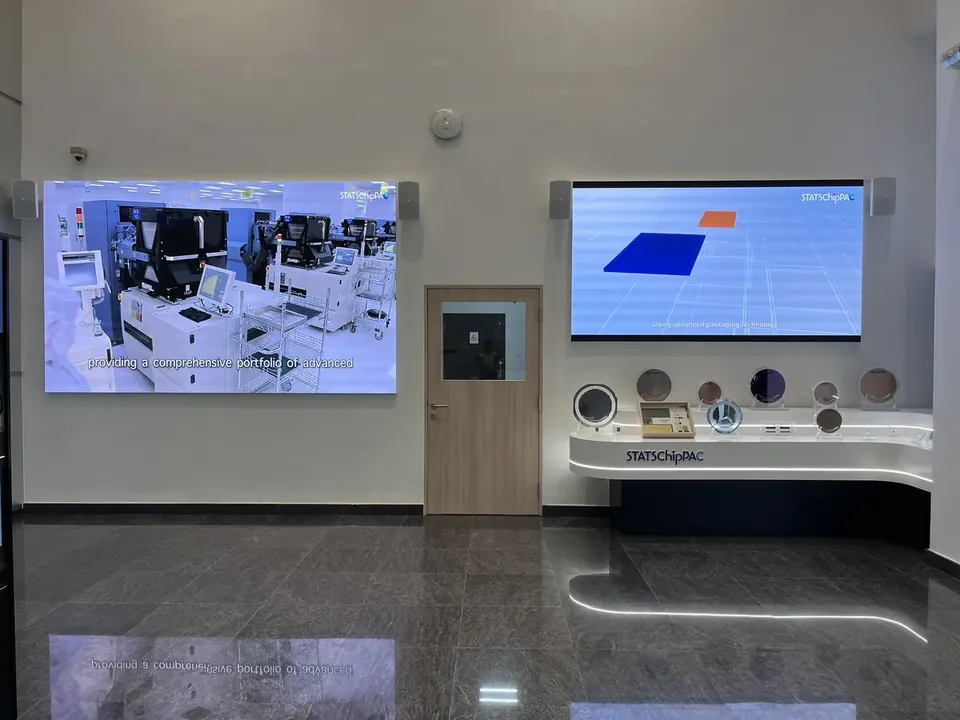
A fine pixel pitch LED display Singapore buyers choose is built for close viewing, where image detail, colour consistency and a seamless canvas matter more than headline screen size. For a corporate reception, transport-facing information area, premium retail interior or control room, a conventional indoor LED specification can look coarse when visitors stand only a few metres away. It is also a long-term visual asset, not simply a technical purchase. This guide helps project teams compare P1.2, P1.5 and P1.8 to P1.9 options, understand when COB LED technology is worth considering, and create a practical brief for an indoor LED supplier. The right decision starts with real viewing distance, content and operating conditions, not simply the smallest available pixel pitch. By matching the display to the space and audience, Singapore buyers can achieve a refined visual result without paying for resolution that the project does not need.
What is a fine pixel pitch LED display Singapore buyers need?
Fine pixel pitch describes an indoor LED display with tightly spaced pixels, typically from around P1.2 to P1.9. The smaller the number, the closer the LED pixels sit together and the more detail the screen can show at a short viewing distance. It is a specification designed for people who will read text, study dashboards, view branded content or stand near the display.
For a fine pixel pitch LED display Singapore project, pixel pitch is only one part of image quality. Cabinet flatness, calibration, brightness control, processing and the quality of the source content all influence the final result. A well-specified P1.5 screen may be more appropriate than an over-specified P1.2 screen when the audience is farther away or the content is primarily motion graphics.
Fine pixel pitch LED display Singapore: choose pitch by viewing distance
Start with the closest normal viewing position, not the furthest point in the room. A reception guest, presenter or staff member standing near the screen will judge pixel visibility more critically than someone across the space. P1.2 is commonly considered for close-up, detail-sensitive use, while P1.5 balances fine detail and value for many premium indoor applications. P1.8 to P1.9 can remain a strong choice when the nearest audience is farther back.
Do not select pitch in isolation. A screen with too many pixels can increase capital cost, processing requirements and content workload without making a noticeable difference to the intended audience. Share room drawings, screen dimensions, use cases and viewing positions with your indoor LED video wall supplier Singapore team before locking the specification.
P1.2 LED screen Singapore vs P1.5 LED screen Singapore
A P1.2 LED screen Singapore specification is suited to projects where viewers stand very close and need crisp small text, spreadsheets, detailed imagery or high-end brand visuals. It can be a compelling fit for boardrooms, executive briefing spaces and selected control-room environments, provided the installation surface, content workflow and budget support the higher resolution.
A P1.5 LED screen Singapore solution often provides the most balanced decision for indoor video walls. It delivers a refined visual appearance at close range while giving buyers more flexibility on screen size and budget. When comparing the two, review a demonstration with your actual content rather than deciding from a product sheet alone.
When does a COB LED display Singapore project make sense?
COB, or chip-on-board, packages LED chips directly on the module surface. In a COB LED display Singapore project, this construction can create a smooth, robust-looking display face and can be attractive where close viewing and a premium finish are priorities. It is particularly relevant to fine-pitch indoor installations in public-facing interiors.
COB is not automatically the best answer for every indoor LED wall. Buyers should compare image appearance, service strategy, module design, system compatibility and budget against a high-quality SMD option. The most suitable technology is the one that delivers the required visual outcome and practical ownership model for the specific indoor site.
Specify the indoor LED wall beyond resolution
A successful fine-pitch display brief should state the wall dimensions, content resolution, typical viewing distances, ambient lighting, daily operating hours and installation constraints. This gives suppliers a clear basis for proposing pixel pitch, brightness, cabinet format, controller and mounting arrangement. It also prevents a quotation from being built around incomplete assumptions.
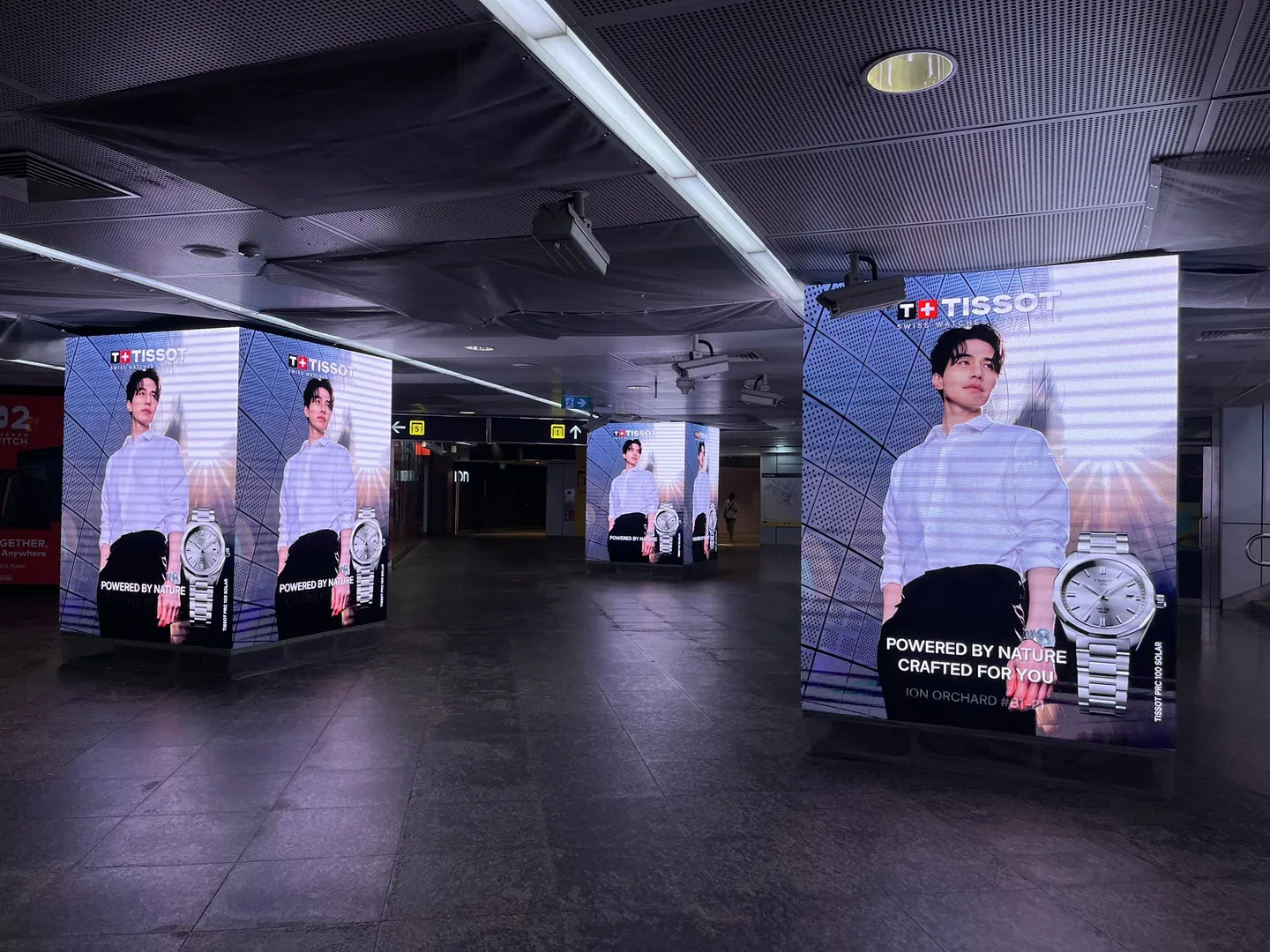
For example, an indoor public-space display may need a different brightness setting and content plan from an executive meeting room, even where the pixel pitch is similar. The P1.95 COB indoor LED screen at Orchard MRT illustrates how a fine-pitch format can support a close-viewing public interior; each project should still be designed around its own audience and architectural conditions.
How to compare fine pixel pitch LED display proposals
Ask each supplier to present a like-for-like scope covering pixel pitch, active display size, native resolution, modules, controller, mounting, power distribution, content inputs and commissioning. If a proposal is cheaper, confirm whether it has reduced the screen area, resolution, processing capability or installation scope. A transparent comparison protects both visual quality and project timelines.
Before appointing a supplier, arrange a viewing of the proposed LED technology where possible and review close-up text, skin tones, gradients, video and static content. A dependable proposal should also clarify the content handover format, site access assumptions and acceptance criteria, so the indoor LED video wall is designed for the real operating environment.
Want an accurate budget for your space?
We'll do a free site survey and prepare a clear, itemised quotation — no obligation.
Frequently asked questions
For many premium office lobbies, a P1.5 fine pixel pitch LED display offers an effective balance of close-viewing image quality and project value. The right choice still depends on the nearest viewing distance, screen size, lighting and the type of brand content shown.
Choose P1.2 when viewers need to stand very close and read detail-rich content such as small text, dashboards or high-resolution images. A P1.5 LED screen Singapore solution is often sufficient for close-viewing reception, meeting and retail interiors, with greater flexibility on budget and display size.
COB LED display Singapore solutions can be a strong option where a smooth display surface and premium close-viewing presentation are important. It is not universally better than SMD; compare the proposed image quality, module architecture, service approach and total project scope for your indoor installation.
Choose an indoor LED video wall supplier Singapore team that begins with viewing distance, content and site information rather than a generic product recommendation. The proposal should clearly state the active display size, pixel pitch, processing, mounting scope, commissioning requirements and acceptance criteria.
Yes, provided the pixel pitch, display resolution and content layout are matched to the viewing distance. A fine pixel pitch LED display Singapore project should be tested with the actual slide templates, dashboards and media files that the team will use after handover.
Plan the next step
See where fine-pitch LED earns its premium in close-viewing corporate and showroom settings.