Boardroom LED Display Singapore: 2026 Buyer’s Guide
Written and reviewed by the ETA Visual Engineering & Project Team. Guidance is updated when project, product or Singapore site-planning practices change.
_2f1d02c2_14fe3964.webp)
Boardroom LED display Singapore projects in 2026 are increasingly chosen for their flexibility, brightness and impact compared with traditional projectors and flat-panel displays. This buyer’s guide explains how to plan, evaluate and procure an indoor LED display or video wall specifically for boardroom use in Singapore’s corporate environments. You’ll find practical guidance on matching pixel density and viewing distance, assessing brightness and colour requirements for typical office lighting, planning ventilation and power, and ensuring integration with your meeting-room control and conferencing systems. The guide also covers installation and maintenance considerations, procurement checklist items to include in an RFP, and how to engage integrators and facilities teams early. Read this if you need a clear, vendor-neutral framework to make informed decisions about boardroom LED display options while avoiding common pitfalls during planning, installation and ongoing operation.
Why an LED display for boardrooms?
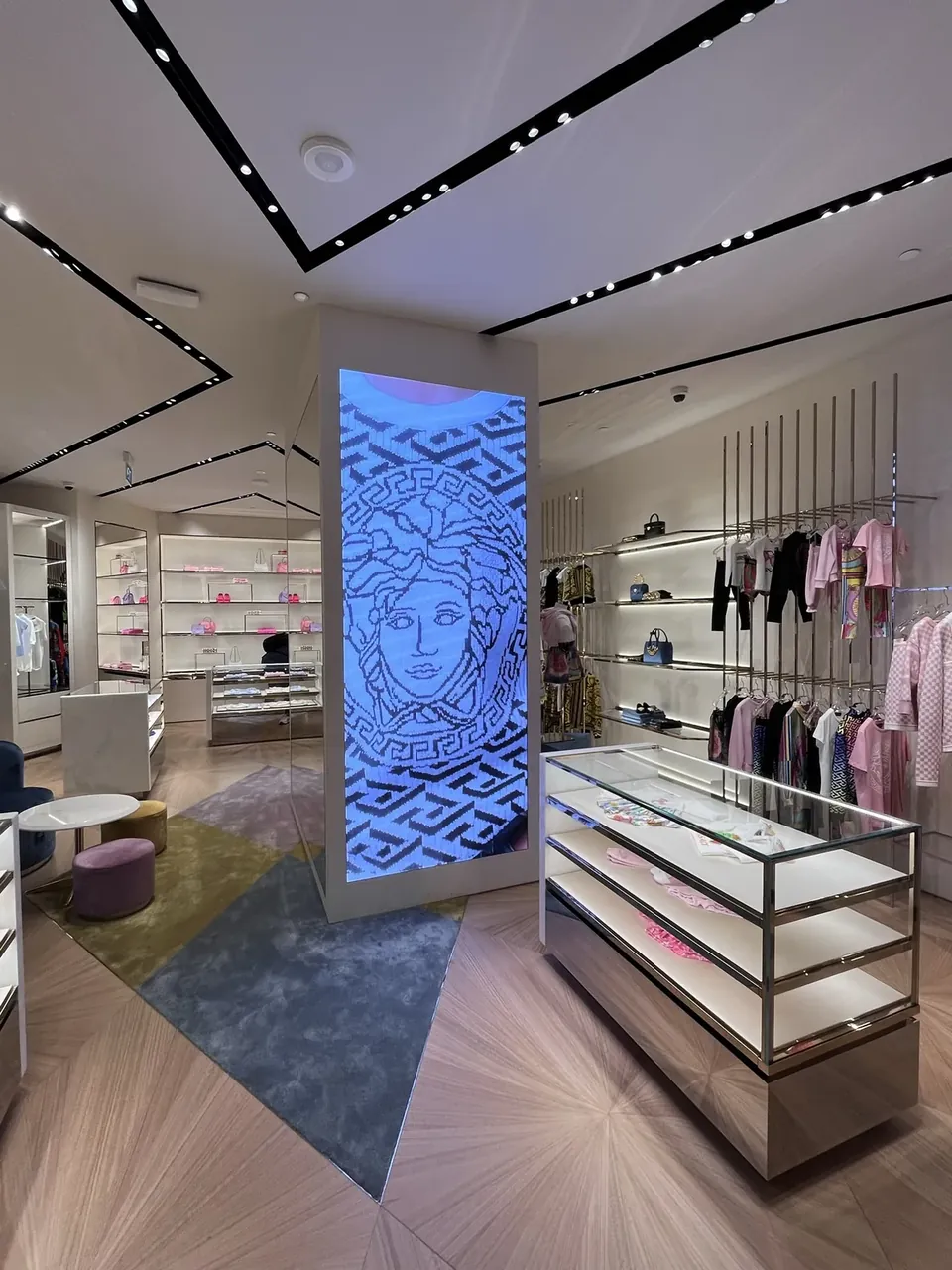
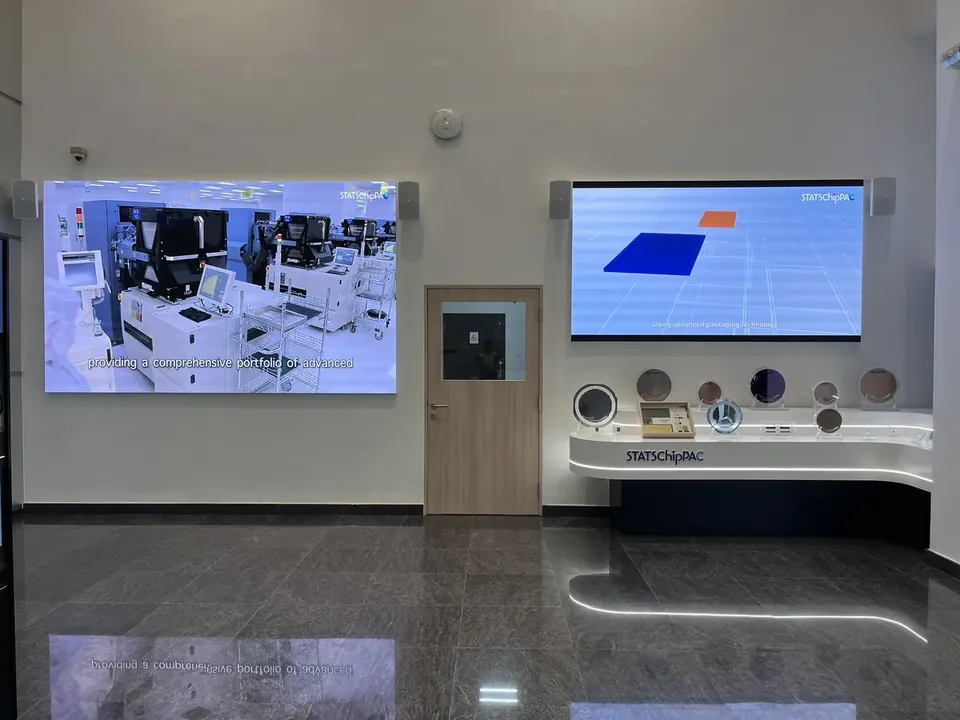
Why choose an indoor LED display for a boardroom? LED displays and video walls offer high perceived brightness, uniform colour reproduction and customisable aspect ratios that suit corporate presentation, video conferencing and branded content. Compared with projectors, modern indoor LED displays deliver better image stability under ambient lighting and do not require a darkened room. Compared with individual flat panels, large-format LED video walls can provide seamless, edge-to-edge canvases for information-rich presentations and immersive collaboration. For boardrooms in Singapore, the ability to maintain consistent colour and brightness in air-conditioned, well-lit spaces is a key advantage.
Key technical specs and what they mean
Key technical considerations to evaluate: when selecting an indoor boardroom LED display, focus on attributes rather than a single numeric spec. Important attributes include pixel density (the visual fineness that determines how close people can sit), contrast and colour fidelity (how well charts, video and video-conference feeds reproduce), perceived brightness and anti-glare performance for typical office lighting, refresh characteristics for video and camera feeds, and cabinet design for service access. Ask how the system will be calibrated and whether the supplier provides a colour-management workflow.
Avoid choosing on a single headline metric. Instead request demonstrations that reflect your expected content (native video conferencing, slides, spreadsheets, product video) and a site survey so the integrator can validate sightlines and lighting in the actual boardroom.
Room planning, environmental and regulatory considerations
Design and planning considerations specific to Singapore boardrooms: start with a site survey that captures room dimensions, ceiling height, seating layout, windows and primary sightlines. Consider how natural and artificial light will affect perceived contrast and whether blinds or lighting controls are required. Account for Singapore’s building services: ensure there is adequate conditioned airflow near the display to avoid heat buildup, and involve facilities early to confirm electrical capacity and cable pathways.
Also plan for safety and access: confirm mounting points, ceiling and wall structure capacity, and routes for equipment delivery. Engage AV and IT teams to agree on network segregation, IP addressing and access policies. Finally, translate functional needs into a written brief that details users, content types, and operational hours to inform service and warranty discussions.
Connectivity, control and content management
Connectivity, control and content workflows: a boardroom LED display must integrate reliably with your conferencing platform and AV control system. Define the signal sources you will use (laptops, codecs, streaming devices), preferred control interface (tablet, wall panel or Crestron/AMX-style control), and whether you need redundant inputs for important meetings. Consider a dedicated scaler or processor to manage different input resolutions and ensure consistent output across the video wall.
Content management is important for multi-segment walls or branded displays. Ask about scheduling, content templates and how live inputs (video calls, presentation laptops) are mixed with pre-produced content. For security, ensure the AV network is isolated from guest WIFI and include policies for remote access and firmware updates.
Installation, maintenance and lifecycle planning
Installation, support and lifecycle: choose a cabinet and module design that allows safe access for maintenance in your space. Clarify the maintenance model with the supplier: on-site spares, response times, preventive calibration schedules and remote monitoring capabilities. Discuss commissioning procedures, including factory and site acceptance tests, and document expected performance criteria for brightness and colour after installation.
Plan for the long term: LED modules can be serviced individually, but ease of access and spare-part availability influence total lifecycle cost. Ask for clear acceptance tests and training for facilities staff on basic inspection and cleaning procedures.
Budgeting, procurement checklist and stakeholder alignment
Procurement checklist and decision framework: prepare a concise RFP that includes a clear scope (indoor boardroom LED display), a room brief (dimensions, seating, lighting, use cases), integration requirements (conferencing, control systems, network), and service expectations (warranty, spare parts, response times). Evaluate proposals on technical fit, serviceability, project management and total cost of ownership rather than headline price alone.
Include these stakeholders early: facilities, IT, security, procurement and the business users who will rely on the display. Factor in realistic timelines for drawings, structural approvals, electrical work and commissioning. Finally, schedule a factory or on-site demonstration of the proposed system using representative content before final acceptance.
| Characteristic | Small meeting room | Mid-size boardroom | Large boardroom / video wall |
|---|---|---|---|
| Typical viewing context | Close seating, single presenter, frequent laptop sharing | Larger audience, mixed presenter positions, video conferencing | Room-scale presentations, multiple camera views, immersive content |
| Pixel density strategy | Higher visual fineness for close seats (choose a fine-density solution) | Balanced density to suit mixed distances and detail | Coarser modules acceptable if seats are farther back; emphasis on overall impact |
| Screen sizing & placement | Wall-mounted or shallow recess, scale to front wall without overpowering | Proportional wall fill with attention to sightlines from all seats | Large-format wall or multi-panel video wall spanning the room front |
| Integration focus | Simple AV switching and USB-conferencing compatibility | Video processing for multiple inputs and camera integration | Robust processing, redundancy and centralised content management |
| Serviceability | Easy front access and simple module replacement | Front or rear service depending on wall construction | Designed for modular service access, spare parts plan required |
Want an accurate budget for your space?
We'll do a free site survey and prepare a clear, itemised quotation — no obligation.
Frequently asked questions
For boardroom environments prioritise indoor-rated LED modules designed for close viewing, a cabinet design that supports front or rear serviceability, a control system compatible with your video sources, and an installation plan that addresses ventilation and access for maintenance. Work with AV professionals to produce drawings, power requirements and a commissioning plan before procurement.
Choose a pixel density and viewing strategy that match typical seating distances and the type of content you will show. Use a qualified integrator to validate sightlines and ambient-light impact during a site survey. Avoid relying solely on showroom demos because real-room lighting and viewing positions affect perceived image quality.
Indoor LED displays require routine maintenance: periodic visual inspection, module cleaning, scheduled calibration, and an agreed spare-parts plan. Ensure the system design allows safe access to serviceable components and that there is a documented maintenance schedule with the supplier or integrator.
Yes — networked control and content management are standard for modern boardroom LED systems. Confirm compatibility with your meeting-room control systems and collaboration tools, and include redundancy for critical signal paths. Secure your AV network and separate it from public or guest networks.
Start with a site survey and a written brief describing room size, typical headcount, main use cases and content types. Request schematic drawings and an installation plan, then use an RFP or tender process to compare proposals on technical fit, service offerings and total lifecycle considerations rather than headline price alone.
_823afe8f_0654cc38.webp)
Plan the next step
Continue with a relevant solution and real Singapore project evidence.