Indoor LED Power Consumption Cost Singapore: 2026 Buyer's Guide
Written and reviewed by the ETA Visual Engineering & Project Team. Guidance is updated when project, product or Singapore site-planning practices change.
Indoor LED power consumption cost Singapore is an important question for buyers planning a retail, corporate or hospitality display. The screen price is visible in a quotation, but the electrical load affects circuit planning, distribution-board capacity and the cost of operating the display over time. A meaningful estimate cannot come from cabinet area alone. Pixel pitch, brightness setting, content, operating hours, controller configuration and the room environment all influence real consumption. This guide shows how to turn those factors into a practical brief. It also explains which numbers to ask a supplier to state separately, so that a comparison is based on comparable assumptions rather than a single headline wattage. It also helps procurement teams distinguish a realistic monthly operating estimate from the maximum electrical load needed for safe installation. With the assumptions shown clearly, the final decision can account for visual performance, electrical readiness and long-term running costs together.
Why indoor LED power consumption cost Singapore needs a project-specific estimate
An indoor LED display does not draw the same amount of power every minute. The maximum figure describes a demanding condition, often with a very bright image and a high white-content level. It is useful for checking the electrical design, but it should not be presented as the predicted day-to-day electricity use. Average demand is the more useful input for an operating-cost estimate, provided the supplier explains the viewing conditions and content assumptions behind it.
Start with the screen's physical area, the proposed pixel pitch and the content use case. A presentation wall that mostly displays slides can behave differently from a retail wall showing high-impact video for long hours. The display schedule matters too. A screen that runs for ten hours a day, seven days a week needs a different cost model from one used only for meetings. Ask for both a maximum watts-per-square-metre figure and an estimated average watts-per-square-metre figure, then make sure the stated operating hours match your plan.
Separate maximum electrical load from average operating demand
Maximum load helps the electrical contractor size circuits, isolation and protection correctly. It should cover the LED modules, receiving cards, power supplies and the relevant control equipment. This is a capacity-planning number. It is not automatically the right number to multiply by every hour of the year when estimating the electricity bill.
Average operating demand reflects normal use. It changes with brightness, white versus dark content, image movement and display settings. A buyer should request a written average-load assumption rather than accept an unsupported percentage of maximum load. The quotation should say whether the screen will use scheduled brightness levels, automatic adjustment or a fixed setting. When two proposals show different average values, compare the stated assumptions before treating one as more efficient.
How to calculate indoor LED power consumption cost Singapore
Use a simple calculation to turn a supplier's average-demand estimate into a planning number: average display load in kilowatts multiplied by daily operating hours, then by operating days, gives estimated kilowatt-hours. Multiply that result by the electricity rate used by your business or building manager. Keep the rate as a separate input because commercial tariff arrangements vary by site and contract.
For example, a 12 square metre indoor LED wall quoted at an assumed average of 0.22 kW per square metre has an estimated average display load of 2.64 kW. At ten operating hours per day for 26 days, it would use about 686 kWh for that month under those assumptions. This is a planning example, not a universal performance promise. The useful result is a transparent calculation that the project team can update when the final screen area, content schedule and electricity rate are confirmed.
Brightness, content and pixel pitch: the main drivers of operating cost
Brightness is one of the clearest variables under the operator's control. An indoor display should be specified for its actual ambient-light conditions, not set to a high level simply because the hardware can produce it. Excess brightness can make close viewing uncomfortable and can raise energy use without improving the communication value of the screen. During the site survey, identify the brightest periods in the room and agree a practical brightness range for the display schedule.
Content also matters. Bright, full-screen graphics and predominantly white layouts generally demand more from an LED display than darker layouts or content with lower average picture level. That does not mean creative teams must avoid bright branding. It means the operating model should use representative content, not a generic image. Pixel pitch affects the number of LEDs and electronics across a given area, so it belongs in the comparison, but it should be selected for viewing distance and content detail first, not solely for a lower wattage figure.
What to ask for in an indoor LED power calculation and quotation
A clear proposal should distinguish screen area, module quantity, rated maximum load, estimated average load, supply voltage, circuit recommendation and the scope of distribution work. It should state whether processors, control devices and any content-playback equipment are included in the stated load. It should also identify what the client or main contractor must provide before installation, including isolation points, cable routes and access to the relevant electrical panel.
Ask the supplier to provide a one-line calculation with the average watts-per-square-metre assumption, planned daily hours and the electricity rate used for the illustration. This makes the estimate reviewable by your facilities, design and finance teams. If the project requires an energy target or landlord submission, request the technical datasheet for the proposed modules and power supplies instead of relying only on a sales summary. A supplier who makes these assumptions visible is easier to compare fairly.
Use the site survey to align screen design with the electrical brief
The most reliable time to resolve power questions is before the screen size and mounting design are fixed. Map the proposed display area, the nearest electrical source, cable routes and the space available for controllers. Confirm the hours when the display will be active and who can approve the operating brightness. These details turn a broad LED display concept into a usable electrical brief for the building team.
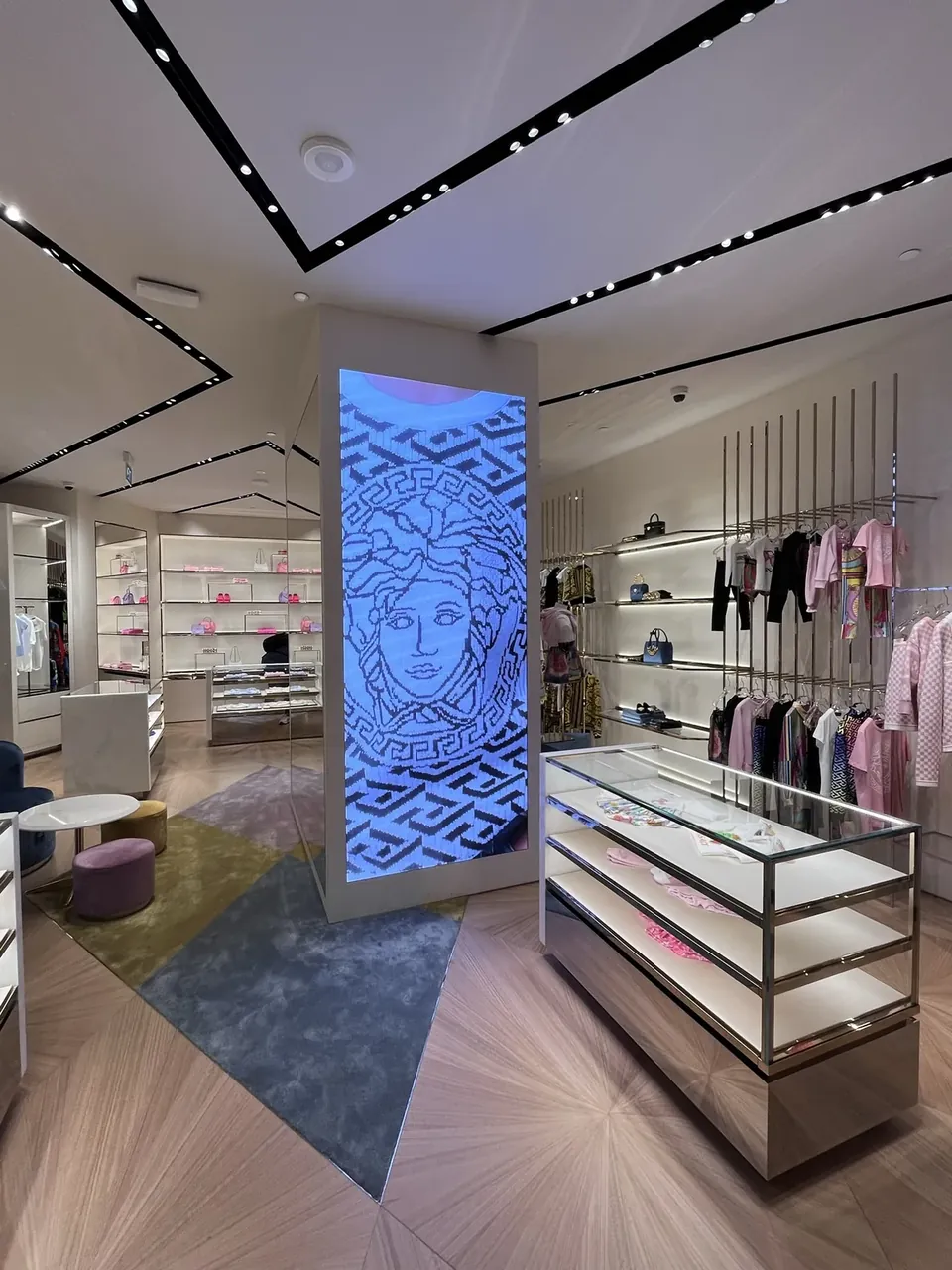
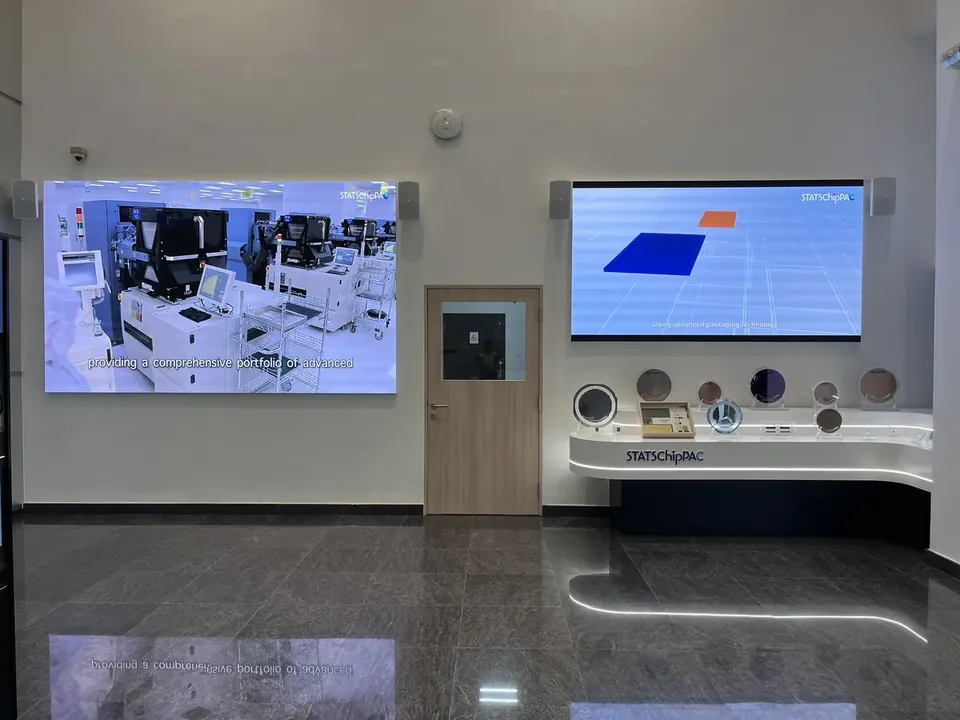
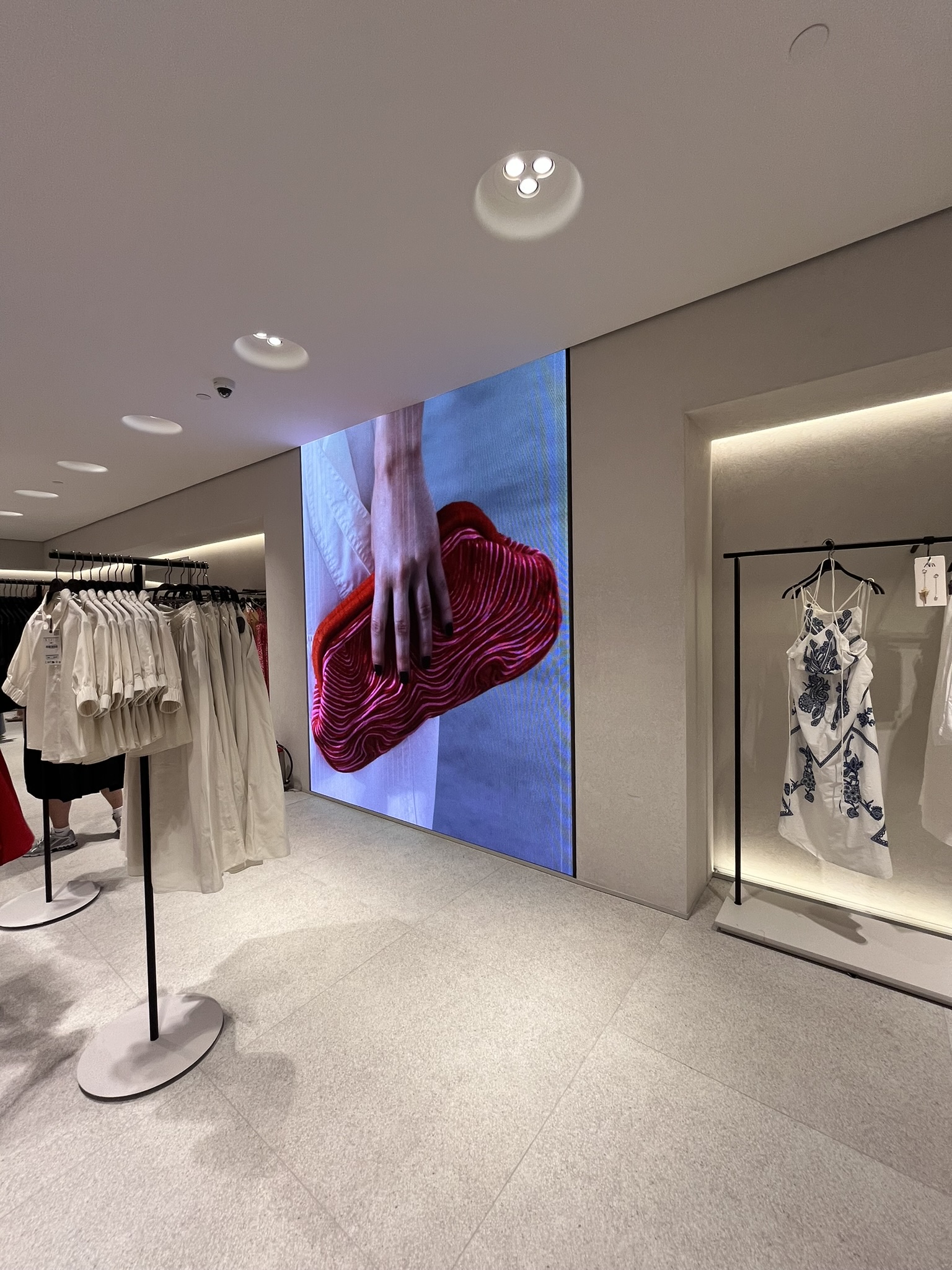
ETA Visual's Fine-Pitch Indoor LED project in Singapore is a P1.2 GOB fine-pitch display supplied, installed and commissioned for a commercial interior. It is a useful reminder that display planning has to connect visual requirements with the physical conditions of the room. For any indoor LED project, final power planning should follow the selected product, final size, approved content use and the site electrical design. That sequence reduces late changes and gives buyers a clearer view of both capital and operating cost.
| Input | What to request or confirm | Why it matters |
|---|---|---|
| Screen area | Final width and height in square metres | Converts a per-square-metre rating into total demand |
| Maximum load | Rated watts per square metre and total circuit load | Supports electrical capacity and protection planning |
| Average load | Written watts-per-square-metre assumption for normal use | Forms the basis of an operating-cost estimate |
| Operating hours | Daily schedule and monthly operating days | Determines the number of consumption hours |
| Electricity rate | Current site or building rate per kWh | Turns estimated kWh into a site-specific cost |
Want an accurate budget for your space?
We'll do a free site survey and prepare a clear, itemised quotation — no obligation.
Frequently asked questions
It depends on the screen area, pixel pitch, brightness, content and operating hours. Ask for both the rated maximum load for electrical planning and an average-load assumption for an operating-cost estimate. Use the final proposed screen specification rather than a generic power figure.
Use maximum consumption to plan circuits and electrical capacity. For an electricity-cost budget, use an average operating figure that is explained by the supplier and matches your expected brightness, content and schedule. Keep the two figures separate in the project brief.
Pixel pitch can affect the number of LEDs and electronics in a given screen area, but it is not the only driver of actual use. Choose pixel pitch around viewing distance and content detail, then compare the final product data and operating assumptions. Do not choose a pitch only from a simplified power comparison.
Request screen area, maximum and average watts per square metre, total load, voltage, circuit recommendation, operating-hour assumption and the equipment included in the calculation. The proposal should also clarify the electrical provisions required at site.
Yes. A brightness schedule matched to the actual room conditions can reduce unnecessary demand while keeping content comfortable to view. Confirm the required ambient-light conditions during the site survey and define practical operating settings as part of the final display brief.
Plan the next step
Continue with a relevant solution and real Singapore project evidence.