Indoor LED Display vs LCD Video Wall in Singapore: Which is Better?
Written and reviewed by the ETA Visual Engineering & Project Team. Guidance is updated when project, product or Singapore site-planning practices change.
When upgrading digital signage or presentation screens in Singapore, business owners often face a critical choice: indoor LED displays or LCD video walls. While both technologies deliver large-scale visuals, their underlying mechanisms, visual performance, and long-term costs differ significantly. In premium retail environments like ION Orchard or corporate lobbies in the CBD, the display quality directly impacts brand perception. This guide provides an in-depth comparison of indoor LED displays versus LCD video walls, helping Singapore businesses make an informed decision based on brightness, seamlessness, lifespan, and overall return on investment. By understanding these key differences, you can select the optimal visual solution that elevates your space and engages your audience effectively.
The Seamless Advantage of LED Displays
The most prominent difference between an indoor LED display and an LCD video wall is the presence of bezels. LCD video walls are constructed by tiling multiple LCD panels together. Even with the thinnest 'ultra-narrow' bezels available today, a visible grid line remains where the panels meet. This can disrupt text, faces, and detailed graphics, detracting from the overall visual impact.
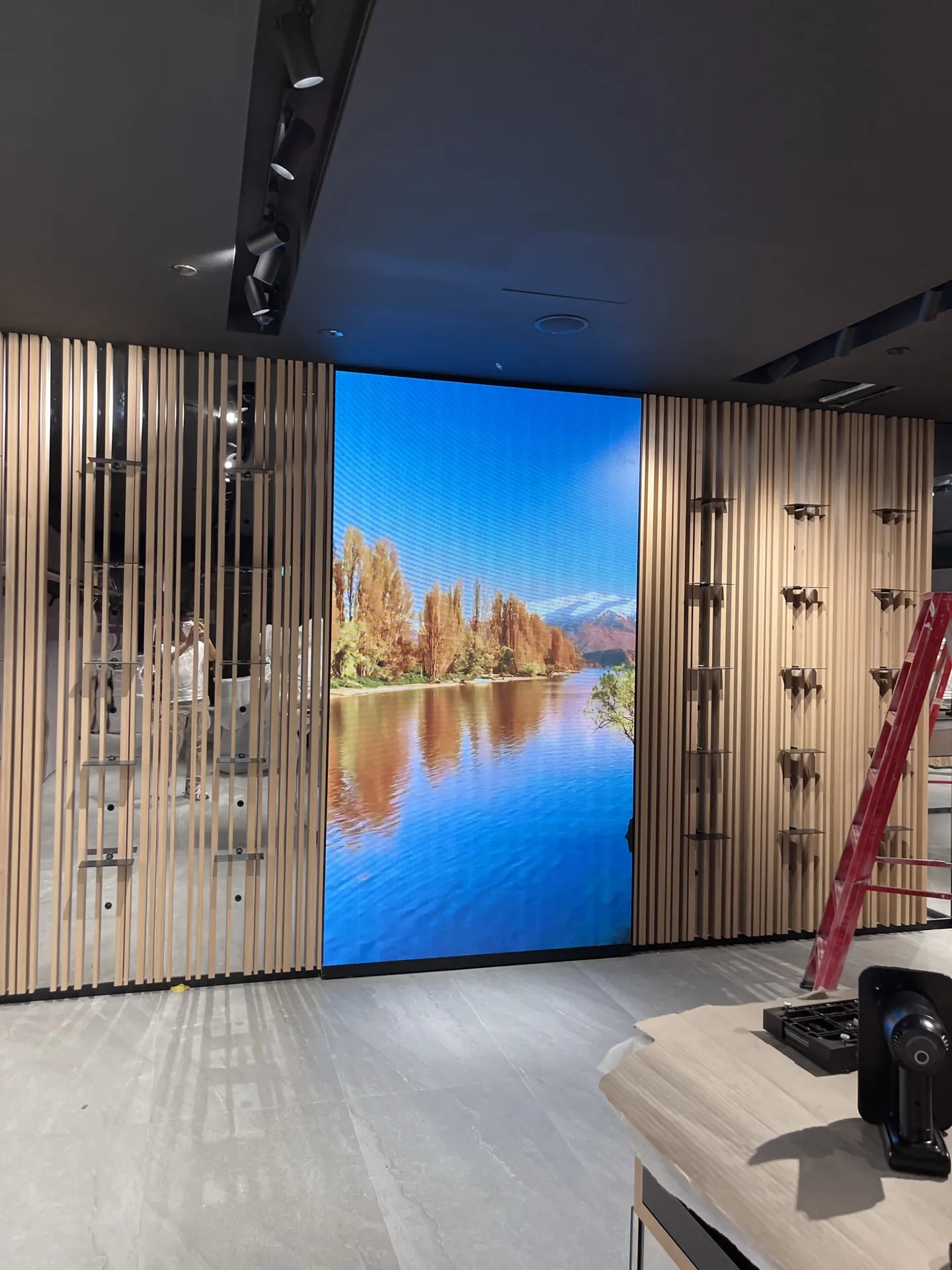
In contrast, indoor LED displays are built using modular LED cabinets that fit together seamlessly. This creates a unified, continuous canvas of any size or shape. For high-end retail environments or corporate lobbies in Singapore, where flawless aesthetics are paramount, the seamless nature of LED displays offers a significantly superior viewing experience.
Brightness and Contrast Performance
Singapore's commercial spaces often feature abundant natural light, especially in shopfronts or glass-walled lobbies. LCD screens typically max out at around 500 to 700 nits of brightness, which can appear washed out in brightly lit environments.
Indoor LED displays, however, can easily achieve brightness levels of 800 to 1,500 nits or more. Furthermore, because LED technology emits light directly (rather than relying on a backlight like LCDs), it produces true blacks and exceptionally high contrast ratios. This ensures that your content remains vibrant, punchy, and highly legible, regardless of the ambient lighting conditions.
Lifespan and Long-Term Durability
When investing in commercial display technology, lifespan is a crucial factor. LCD video walls typically have an operational lifespan of about 50,000 hours. Over time, LCD panels can suffer from color degradation and 'burn-in', leading to inconsistent image quality across the video wall.
Indoor LED displays are renowned for their durability, boasting a lifespan of up to 100,000 hours. The solid-state nature of LEDs makes them more robust and less prone to degradation. This extended lifespan translates to a better long-term return on investment, making LED displays a more cost-effective choice over a 5 to 10-year period for Singapore businesses.
Maintenance and Serviceability
Maintenance procedures differ vastly between the two technologies. If a single LCD panel in a video wall fails, the entire heavy screen must be unmounted and replaced. This often requires specialized mounting brackets and can cause significant downtime.
Indoor LED displays are designed for front-serviceability. If a specific LED module or power supply fails, a technician can quickly remove and replace that individual component from the front of the screen, using a magnetic tool. This modular approach minimizes downtime and drastically reduces maintenance costs, ensuring your display is always operational.
Flexibility in Design and Shape
LCD video walls are inherently rigid and limited to standard 16:9 rectangular configurations. While you can arrange them in creative patterns, you are always constrained by the flat, rectangular shape of the individual panels.
Indoor LED technology offers unparalleled design flexibility. LED modules can be manufactured to create curved screens, right-angle corners, or custom shapes that wrap around pillars. This adaptability allows Singapore architects and interior designers to integrate digital displays seamlessly into unique architectural features, creating truly immersive environments.
Want an accurate budget for your space?
We'll do a free site survey and prepare a clear, itemised quotation — no obligation.
Frequently asked questions
Initially, indoor LED displays have a higher upfront cost compared to LCD video walls. However, due to their longer lifespan (100,000 hours vs 50,000 hours) and lower maintenance costs, LED displays often provide a better long-term ROI.
Yes. By choosing a fine pixel pitch (such as P1.2 to P1.8), indoor LED displays can easily achieve 4K or even 8K resolutions, delivering crystal-clear images comparable to high-end LCD screens.
For very small rooms where viewers are extremely close to the screen, an LCD might suffice. However, fine-pitch LED displays (like COB LED) are increasingly used in boardrooms for their seamless, bezel-free presentation capabilities.
Installation time varies based on size and complexity. A standard indoor LED display can typically be installed and calibrated by a professional AV system integrator within 2 to 4 days.
Plan the next step
Compare display formats against lobby and showroom applications before choosing a platform.
ETA Visual designs, supplies and installs seamless indoor LED video walls for corporate lobbies, meeting rooms and control rooms across Singapore.
ETA Visual designs, supplies and installs indoor LED video walls (P0.9–P5), transparent LED and flexible curved displays for retail and commercial spaces across Singapore.